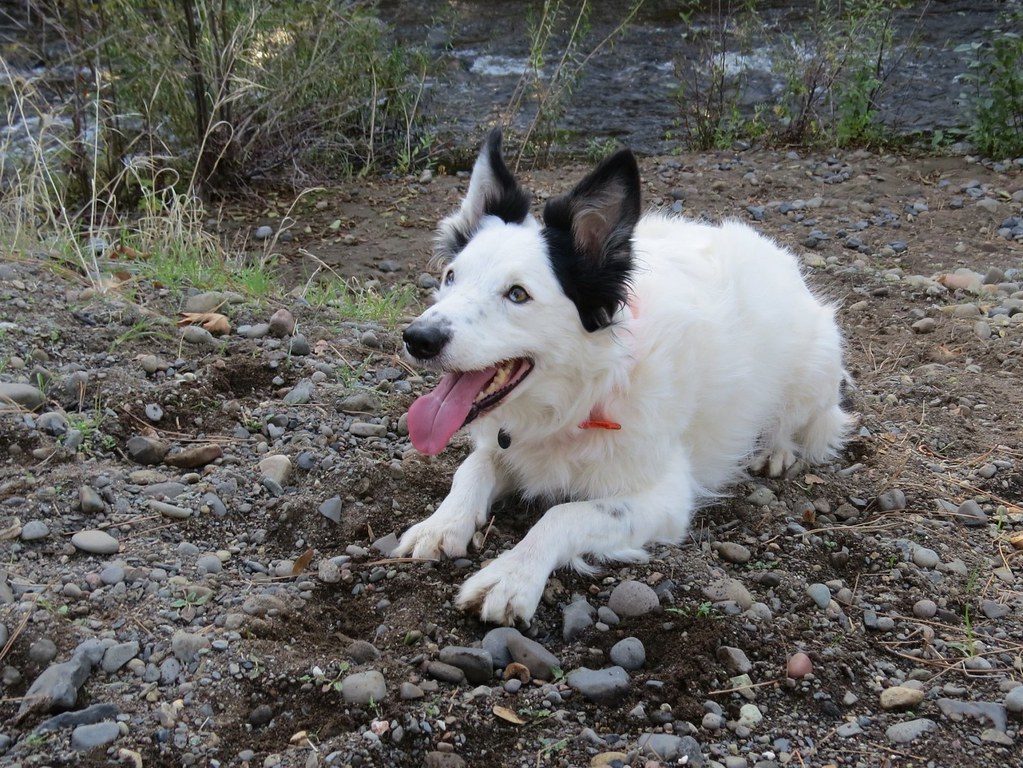
The rescue centre photos showed a bright, waggy dog. The dog in your hallway is pressed against the wall, won’t take a treat, and flinches at the kettle. Many adopters worry in these first days that they have made a mistake, or that the dog is not who they seemed.
They are. They just haven’t arrived yet.
The 3-3-3 rule
Rescue organisations often describe the first months with a simple rule of thumb. It isn’t science, and every dog is different, but it sets realistic expectations:
- The first three days: overwhelmed. Your dog may not eat much, may sleep a lot or not at all, and may hide. Their personality is in hiding too.
- The first three weeks: learning the routine. Your dog starts to understand where things are, when meals happen and who lives here. Quirks — and some problem behaviours — begin to show as they relax.
- The first three months: feeling at home. Trust builds, and you begin to see who your dog really is.
The first days: less is more
Resist the urge to show your new dog the world. No visitors, no busy parks, no trips to the pub. Short, quiet walks on familiar routes. A bed in a calm corner where nobody disturbs them. Talk softly, move slowly, and let your dog come to you.
Use a well-fitted harness and a lead from day one, even if you think your dog is calm. Newly adopted dogs are most likely to bolt in the first weeks, before they know where home is. Double-check that the microchip is registered to you.
The first weeks: routine is kindness
Predictability is how a dog learns to feel safe. Keep meals, walks and bedtime at the same times. Start gentle reward-based training — sit, name recognition, coming back — in short sessions. It builds communication and confidence on both sides.
Common surprises
- House training lapses, even in “house-trained” dogs, as they learn a new house.
- Guarding food, toys or resting places — give them space and don’t take things away; trade for something better instead.
- Reactivity to other dogs or people on walks. Keep distance and get help from a qualified trainer early.
- A honeymoon period — some dogs are very well behaved at first, and show more of themselves after a few weeks.
See the vet in the first weeks
Book a check-up even if the rescue has done one. Bring the rescue’s records, discuss vaccinations, parasite control and dental health, and mention any behaviour you are unsure about — pain is a common and overlooked cause of grumpiness in dogs.
Somewhere in the third month, most adopters describe a moment — a sigh on the sofa, a play bow, a dog meeting them at the door — when they realise their dog has decided to stay.
Questions owners ask
Is the 3-3-3 rule accurate?
It is a rule of thumb, not a scientific timeline. Some dogs settle in days; others take many months. It is useful mainly as a reminder to be patient.
When should I start training a rescue dog?
Gentle, reward-based training can start in the first weeks with simple things like name, sit and recall. Keep sessions short and fun, and avoid anything that frightens your dog.
Should my rescue dog sleep in my bedroom?
Many newly adopted dogs settle faster near people at night. Choose what you can keep doing long-term, and set up a comfortable bed there from the first night.

Written by
Maya edits every page before it goes to review and keeps the reference library up to date. (Demo profile supplied with the Tailwise theme — replace it with your own team.)

Reviewed by
Tailwise is for general information and is reviewed by veterinary professionals, but it is not a substitute for advice from your own vet, who knows your pet. How we check facts