Few topics in pet care start arguments as quickly as raw feeding. Supporters describe glossy coats, fresher breath and dogs that seem transformed. Many vets are cautious or firmly against it. Both sides can point to real experiences. What does the evidence actually say?
What raw feeding means
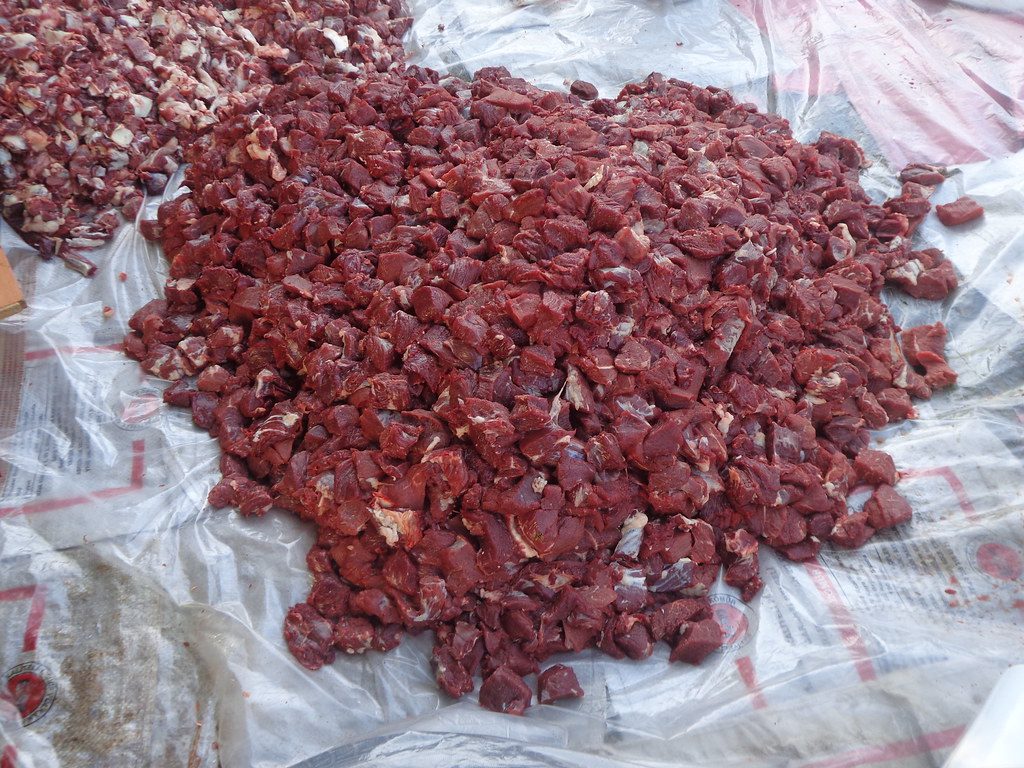
Raw diets are based on uncooked meat, organs and often bones, sometimes with vegetables. They come as commercial complete raw foods, frozen or freeze-dried, or as home-prepared recipes.
The claimed benefits
Owners commonly report better coats, smaller stools, cleaner teeth and more energy. Some of these may be real — raw diets are often high in fat and protein, which can improve coat quality, and highly digestible foods produce less waste. But most claims come from owner surveys rather than controlled studies, and many of the same changes can be seen when switching to a high-quality cooked diet.
The risks
- Bacteria. Studies of commercial raw pet foods have repeatedly found Salmonella, Listeria and E. coli, including strains resistant to antibiotics. Dogs often carry these bacteria without looking ill and shed them in saliva and faeces — a concern for households with young children, older people or anyone with a weakened immune system.
- Nutritional imbalance. Home-made raw diets, in particular, are frequently unbalanced — too little calcium or too much, missing vitamins or minerals. This matters most for growing puppies and kittens.
- Bones. Raw bones are softer than cooked ones, but can still fracture teeth and cause obstructions.
- Parasites in some raw meats that have not been frozen properly.
For these reasons, major veterinary organisations advise against feeding raw diets, or recommend strict precautions.
Good
- Many dogs find it very palatable
- Owners report better coats and smaller stools
- Commercial complete diets can be nutritionally balanced
Not so good
- Bacterial contamination, including resistant strains
- Home recipes are often unbalanced
- Risk to vulnerable people in the household
- Usually more expensive
If you choose to feed raw
- Choose a commercial complete raw food rather than a home recipe, or have a home recipe formulated by a board-certified veterinary nutritionist.
- Handle it like raw meat for people: separate surfaces, washed hands, cleaned bowls.
- Defrost in the fridge, not on the counter.
- Avoid raw feeding in homes with babies, pregnant women, elderly or immunocompromised people.
- Tell your vet — it affects how they interpret some tests and symptoms.
The bottom line
A dog or cat can thrive on a well-formulated cooked diet or a well-formulated raw one. The difference is that raw diets carry risks that cooked diets don’t, and the benefits are not yet backed by strong evidence. If you’re drawn to raw feeding, a conversation with your vet is a good place to start.
Questions owners ask
Is raw food better for dogs’ teeth?
There is little evidence that raw diets prevent dental disease. Tooth brushing remains the most effective way to protect teeth.
Can puppies eat a raw diet?
Growing puppies are the most vulnerable to nutritional imbalances. If you want to feed raw, choose a complete commercial diet designed for growth and involve your vet.
Can I feed a mix of raw and kibble?
Some owners do, but mixing doesn’t remove the bacterial risks of the raw portion. Talk to your vet about the best approach for your household.

Written by
Maya edits every page before it goes to review and keeps the reference library up to date. (Demo profile supplied with the Tailwise theme — replace it with your own team.)

Reviewed by
Tailwise is for general information and is reviewed by veterinary professionals, but it is not a substitute for advice from your own vet, who knows your pet. How we check facts