We may earn a commission when you buy through links on this page. It never changes what we recommend. Learn more
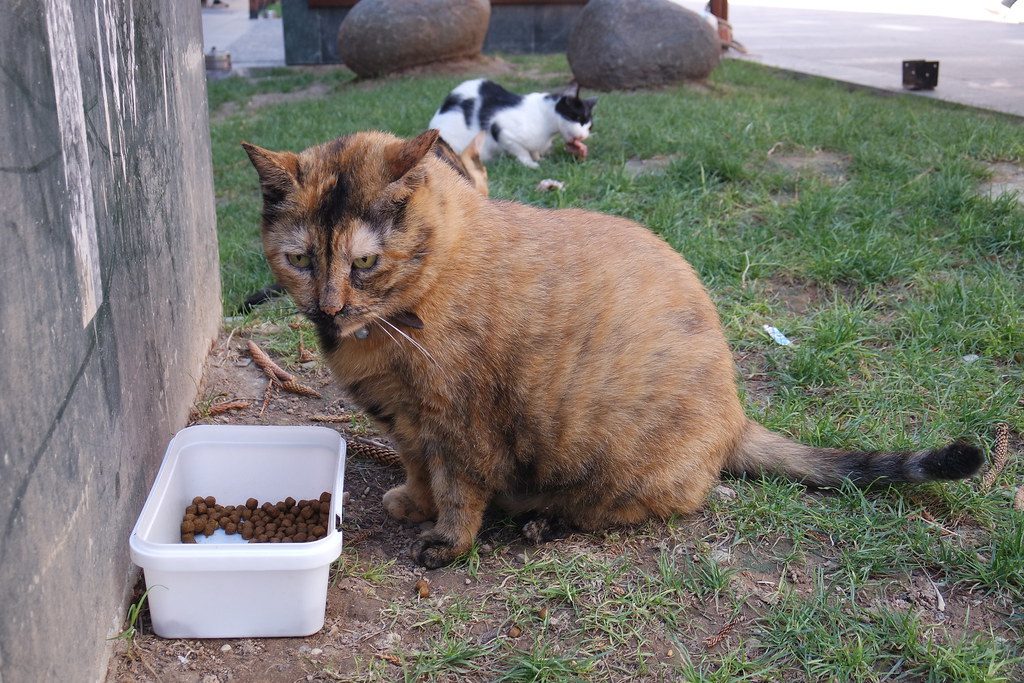
Big cats are often adored for it — the round, contented tabby filling the windowsill. But extra weight carries real costs for cats: a much higher risk of diabetes, arthritis, urinary problems and skin trouble, because a heavy cat can’t reach to groom its back end. Studies suggest that a large share of pet cats are overweight, and indoor, neutered, middle-aged cats are most at risk.
Is your cat overweight?
- Ribs: you should feel them easily with light pressure, with a thin covering of fat.
- Waist: looking down from above, there should be a gentle inward curve behind the ribs.
- Belly: a little loose skin at the back of the tummy (the “primordial pouch”) is normal, but a round, hanging belly is fat.
Our body condition check walks you through it, and your vet can confirm.
The golden rule: slowly
Never starve a cat or cut food drastically. Cats that suddenly eat far too little — especially overweight cats — can develop hepatic lipidosis (fatty liver disease), which is life-threatening. Aim for a loss of about 0.5–2% of body weight per week, under your vet’s guidance.
A practical plan
- Weigh your cat at the vet and agree a target weight and a daily calorie amount.
- Measure every meal with kitchen scales. Free-feeding from a bowl that is always full is the most common cause of weight gain.
- Consider a weight-loss diet. Prescription diets are designed to keep cats full and nourished on fewer calories. Wet food has more water and fewer calories per bite, which helps many cats.
- Split food into several small meals — cats naturally eat little and often.
- Count treats as part of the daily amount.
- Weigh monthly and adjust.
Make food a hunt
Food puzzles, treat balls and hiding small portions around the house turn eating into exercise and slow down gobblers. Start easy so your cat doesn’t give up, and keep an eye on intake.
Play every day
Two or three five-minute play sessions with a wand toy add up. Older or heavy cats may tire quickly — little and often is fine. Cat trees and shelves encourage climbing.
Multi-cat homes
When one cat is dieting and another isn’t, feed them in separate rooms, or use a microchip feeder that only opens for the right cat. A shared bowl almost always means the bigger cat eats both meals.
The begging cat
Many cats meow for food because it gets attention. Try play, grooming or a cuddle instead, and use an automatic feeder so the food appears on a timer rather than when you give in.
Questions owners ask
How much should my cat weigh?
Most domestic cats are healthiest between about 3.5 and 5 kg, but frame size varies. Body condition matters more than a number — your vet can set a target.
Is dry food making my cat fat?
Dry food isn’t fattening in itself, but it is calorie-dense and easy to overfeed. Measuring carefully, or mixing in wet food, often helps.
My cat is losing weight on the diet but seems hungry. Is that normal?
Some hunger is expected. Feeding more small meals, adding wet food, and using puzzles helps. Call your vet if your cat stops eating or loses weight faster than planned.

Written by
Maya edits every page before it goes to review and keeps the reference library up to date. (Demo profile supplied with the Tailwise theme — replace it with your own team.)

Reviewed by
Tailwise is for general information and is reviewed by veterinary professionals, but it is not a substitute for advice from your own vet, who knows your pet. How we check facts