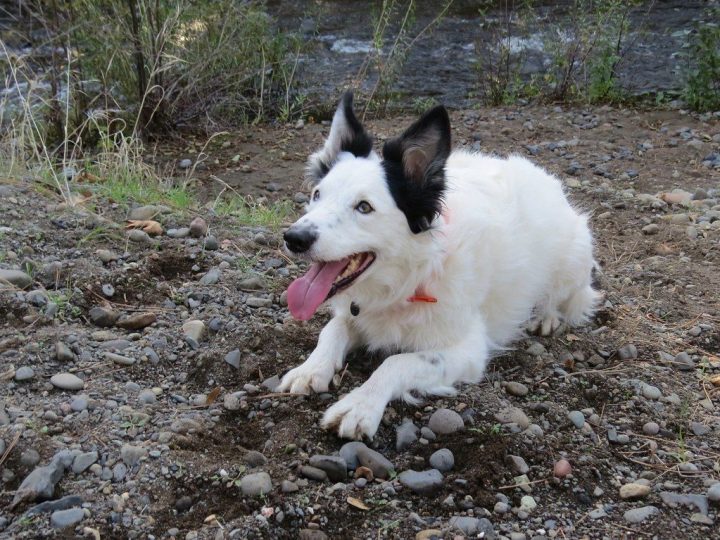
The most common reason dogs are given up to rescues isn’t that they are bad dogs. It’s a mismatch: a working collie in a city flat, a Husky with an owner who can’t manage escapes, a giant breed for a household that can’t lift it into the car. Choosing well means looking past appearance and asking what life with that dog will really be like.
Start with what the breed was made to do
Every breed was developed for a job, and those instincts don’t disappear on the sofa:
- Herding dogs (Border Collies, Australian Shepherds) need lots of physical and mental work and may try to herd children.
- Gundogs (Labradors, Spaniels) are usually sociable and trainable, love retrieving and need plenty of exercise.
- Scent hounds (Beagles, Basset Hounds) follow their noses, are vocal and are often unreliable off lead.
- Sighthounds (Greyhounds, Whippets) sprint, then sleep — and chase anything small that runs.
- Terriers are bold, busy, and love to dig and chase.
- Guarding breeds need experienced owners and thorough socialisation.
- Companion breeds want to be with you, and many struggle when left alone.
Honest questions to ask yourself
- Time: how many hours a day will the dog be alone? Most dogs shouldn’t be left more than about four hours.
- Exercise: how much will you really walk on a wet Tuesday in February?
- Space: flat or house, garden or not, stairs?
- Grooming: are you happy to brush daily, or pay for professional grooming every six to eight weeks?
- Shedding and allergies: low-shedding doesn’t mean allergy-free.
- Costs: larger dogs cost more in food, medicines and insurance — try our cost calculator.
- Household: young children, other pets, elderly relatives.
Our breed match quiz uses these factors to suggest breeds, and every breed profile lists ratings for energy, grooming and suitability for flats.
Health matters as much as temperament
Many breeds have inherited conditions. Flat-faced breeds can struggle to breathe; giant breeds have short lives; some breeds have known genetic diseases with DNA tests. Choose a breeder who health-tests the parents and can show you the results — and be wary of extreme looks.
Avoid puppies sold online with no chance to meet the mother, pups offered in car parks, and sellers with many breeds available. These are signs of puppy farming, which causes widespread health and behaviour problems.
Don’t forget crossbreeds and rescue dogs
Crossbreeds can be wonderful, but their traits are harder to predict — a “doodle” can inherit the coat and energy of either parent. Adult rescue dogs have the advantage that their size, personality and energy are already known. See our guide to adopting a rescue dog.
Meet before you commit
Spend time with adult dogs of the breed you are considering — at breed clubs, shows or with friends. A breed that looks perfect on paper might shed more, bark more or bounce more than you expected.
Questions owners ask
What is the best dog breed for first-time owners?
Breeds often recommended include Cavalier King Charles Spaniels, Labrador Retrievers, Bichon Frises and many crossbreeds — but individual temperament and your lifestyle matter more than the breed name.
Are male or female dogs better?
Differences between individuals are bigger than differences between sexes. Neutering also reduces many sex-related behaviours.
Is there such a thing as a hypoallergenic dog?
No dog is completely allergen-free. Low-shedding breeds may cause fewer symptoms for some people, so spend time with the breed before committing.

Written by
Maya edits every page before it goes to review and keeps the reference library up to date. (Demo profile supplied with the Tailwise theme — replace it with your own team.)

Reviewed by
Tailwise is for general information and is reviewed by veterinary professionals, but it is not a substitute for advice from your own vet, who knows your pet. How we check facts