We may earn a commission when you buy through links on this page. It never changes what we recommend. Learn more
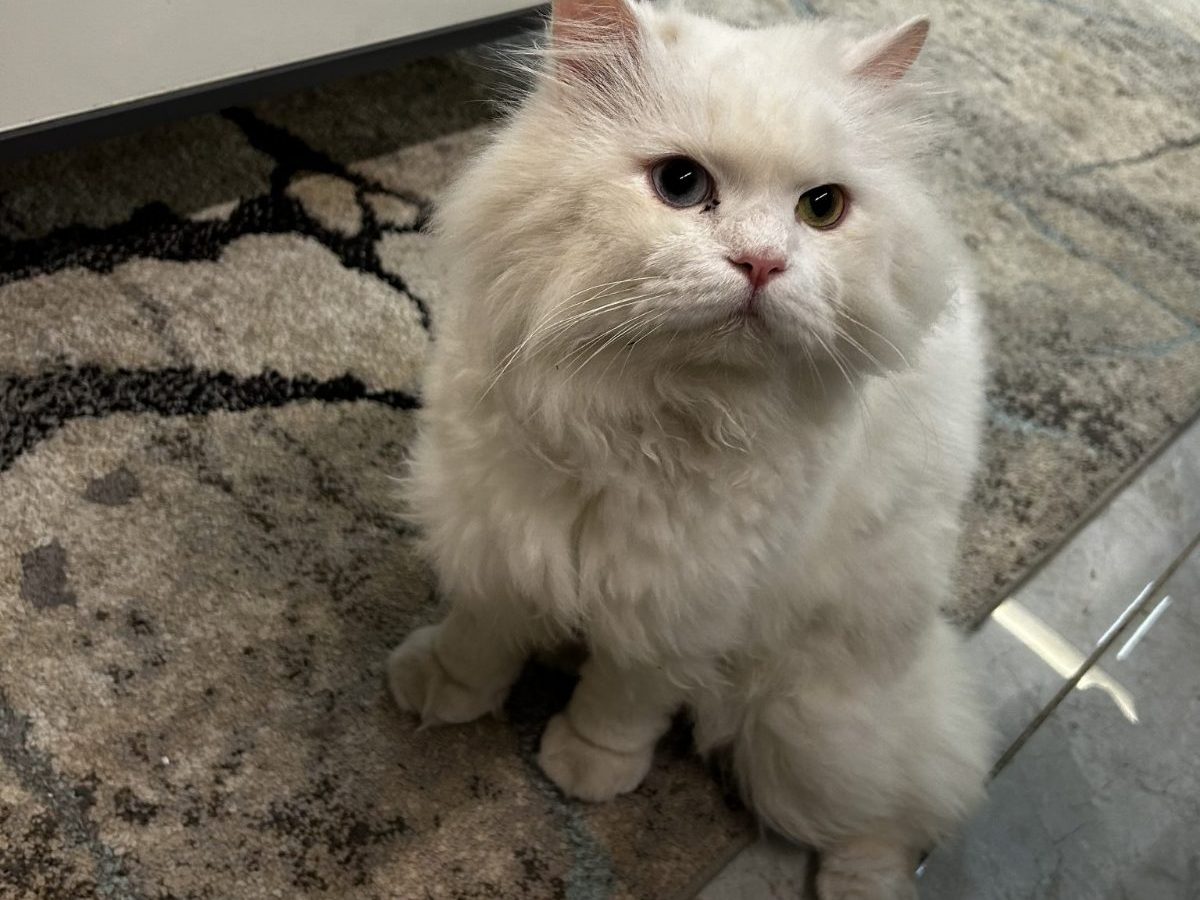
A long-haired cat in full coat is a magnificent thing. That coat, though, needs help. Mats form where fur rubs — behind the ears, in the armpits, along the belly and on the back legs — and they tighten as they grow, pulling on the skin with every movement. Large mats are genuinely painful and can hide skin infections and even wounds.
How often to brush
- Persians and Exotics with full coats: daily.
- Semi-long coats (Maine Coon, Norwegian Forest Cat, Ragdoll, Birman): two or three times a week, more during the spring and autumn moult.
- Older, overweight or arthritic cats often can’t groom their backs and rear ends and need extra help.
The right tools
- A wide-toothed metal comb to find tangles.
- A fine-toothed comb for the face and finishing.
- A slicker brush used gently — pressing hard scratches the skin.
- A de-shedding tool for the undercoat during moulting, used lightly.
Brushes that work on long coats
We may earn a commission when you buy through links on this page. It never changes what we recommend.
Best everyday brush
Self-cleaning slicker brush
4.6Fine bent wires lift loose undercoat; a button pushes the hair off.
- Quick to clean
- Suits most medium and long coats
How to brush
- Pick a calm time — after a meal, when your cat is relaxed.
- Start with areas your cat enjoys, such as the cheeks and back.
- Comb in the direction of the fur, in sections, holding the fur near the skin so you don’t pull.
- Work towards trickier areas — the belly, armpits and trousers — a little at a time.
- Stop before your cat gets annoyed. Five minutes a day beats a battle once a week.
- Reward with a treat or play.
Dealing with a mat
Small tangles can often be teased apart with your fingers and the end of a comb, working from the outside in. A little cornflour can help loosen them.
Never cut mats out with scissors. Cat skin is thin and elastic, and gets pulled up into the mat — it is very easy to cut it. Vets regularly stitch wounds made this way. Use clippers, or ask a groomer or vet nurse to remove large mats.
If your cat is heavily matted, a professional groomer or your vet can clip the coat, sometimes under sedation. A “lion cut” leaves a short body and longer mane, giving the coat a fresh start.
Hairballs and diet
Regular brushing removes loose fur that would otherwise be swallowed, which reduces hairballs. Some diets include extra fibre to help hair pass through.
Teaching kittens to enjoy it
Start brushing from the first week at home, a few strokes at a time with treats. A cat who learns that grooming means attention and rewards will be much easier to care for when they are older.
Questions owners ask
Why has my older cat suddenly become matted?
Arthritis, dental pain, weight gain or illness can stop cats grooming themselves. A sudden decline in coat condition is worth a vet check.
Should I bathe my long-haired cat?
Most cats rarely need a bath. Some long-haired cats with greasy coats benefit from occasional bathing with a cat shampoo, but always brush out tangles first.
Is shaving a long-haired cat cruel?
Clipping by a professional is not cruel and is often kinder than living with painful mats. Leave enough coat to protect the skin from the sun and cold.

Written by
Maya edits every page before it goes to review and keeps the reference library up to date. (Demo profile supplied with the Tailwise theme — replace it with your own team.)

Reviewed by
Tailwise is for general information and is reviewed by veterinary professionals, but it is not a substitute for advice from your own vet, who knows your pet. How we check facts