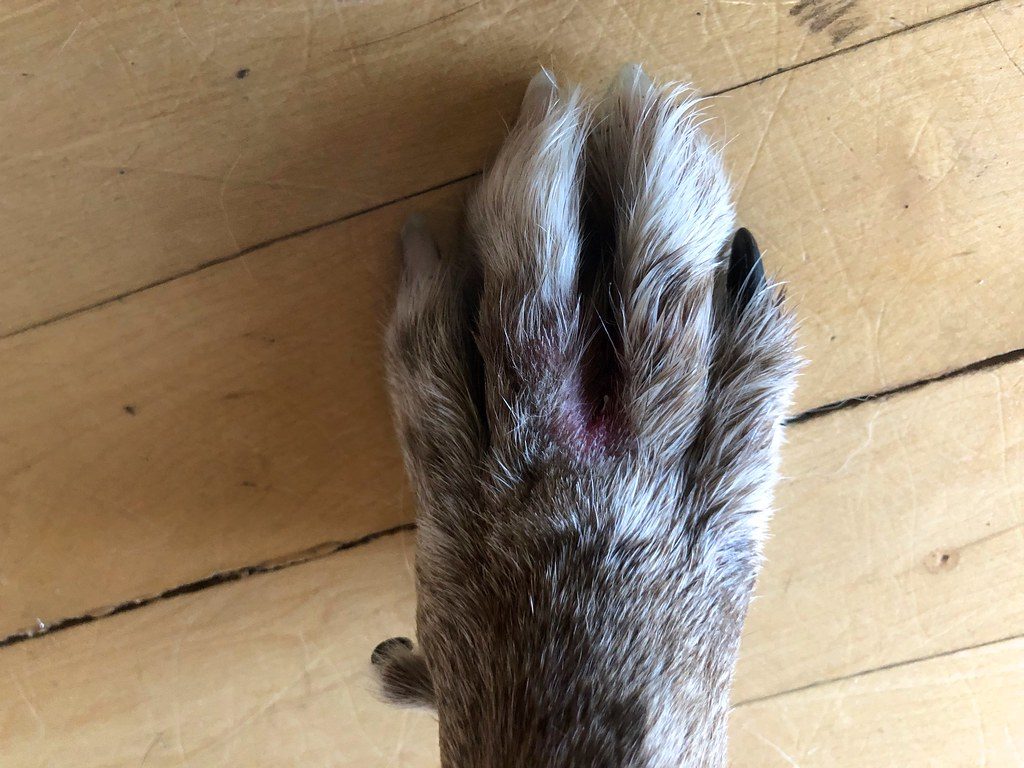
Emergencies don’t book appointments. A cut pad on a mountain walk, a bee sting on a Sunday afternoon, a split nail just before bed: a simple first aid kit won’t replace your vet, but it can keep a small problem small and get a pet safely to help.
The checklist
- Your vet’s phone number, the nearest out-of-hours emergency clinic and a pet poison helpline, saved in your phone and written inside the lid.
- Copies of vaccination records and a list of your pet’s medicines.
- Non-stick wound dressings, conforming bandage and self-adhesive bandage (the kind that sticks to itself, not fur).
- Sterile saline for flushing wounds and eyes.
- Blunt-ended scissors and tweezers.
- A tick remover.
- Disposable gloves.
- A digital thermometer and lubricant.
- A clean towel or blanket — for warming, restraining or carrying.
- A soft muzzle sized for your dog — even gentle dogs may bite when hurt.
- A spare lead, and for cats a pillowcase or carrier.
- A cone or buster collar to stop licking of a wound.
- A torch, and for walks, a collapsible water bowl.
What not to include
Never give your pet human painkillers — ibuprofen, naproxen and paracetamol can be fatal, especially to cats. Don’t make pets sick with salt water, and don’t use hydrogen peroxide unless a vet tells you to. Tea tree and other essential oils are toxic to cats.
Some kits include antiseptics: use only dilute, pet-safe products your vet recommends.
Using it well
- Bleeding: apply firm pressure with a clean pad for several minutes. Don’t keep lifting to check.
- Cut pads: clean with saline, cover and bandage lightly, then call your vet — pad wounds often need attention.
- Stings: scrape away a visible bee sting with a card. Watch for facial swelling or breathing difficulty — that’s an emergency.
- Poisoning: call your vet or a poison helpline straight away. Bring the packet. Use our emergency checker if you are unsure.
- Heatstroke: cool with cool (not ice-cold) water and move air over the body, then go to the vet.
Bandages that are too tight can cut off circulation. Check toes for swelling and coldness, and never leave a bandage on for long without veterinary advice.
Know your pet’s normal
A quick “normal check” when your pet is well makes emergencies easier to judge: gum colour (pink), breathing rate at rest (usually under 30–40 breaths a minute when asleep), and how your pet behaves when handled.
Questions owners ask
What is a normal temperature for a dog or cat?
Roughly 38–39.2 °C (100.5–102.5 °F). Call your vet if it is above 39.5 °C or below 37.5 °C.
Can I use human plasters on my pet?
Plasters don’t stick well to fur and are easily swallowed. Use a pet or self-adhesive bandage, and check with your vet.
Is a pet first aid course worth it?
Yes. A short course teaches bandaging, CPR and when to go to a vet — and makes you calmer in a real emergency.

Written by
Maya edits every page before it goes to review and keeps the reference library up to date. (Demo profile supplied with the Tailwise theme — replace it with your own team.)

Reviewed by
Tailwise is for general information and is reviewed by veterinary professionals, but it is not a substitute for advice from your own vet, who knows your pet. How we check facts