Houseplant
Is Fiddle-leaf fig toxic to cats and dogs?
Ficus lyrata
Cats
Mildly toxicDogs
Mildly toxicFiddle-leaf figs have an irritating milky sap. Chewing the leaves causes mouth irritation, drooling and vomiting; skin contact can cause a rash.
 By Maya Hart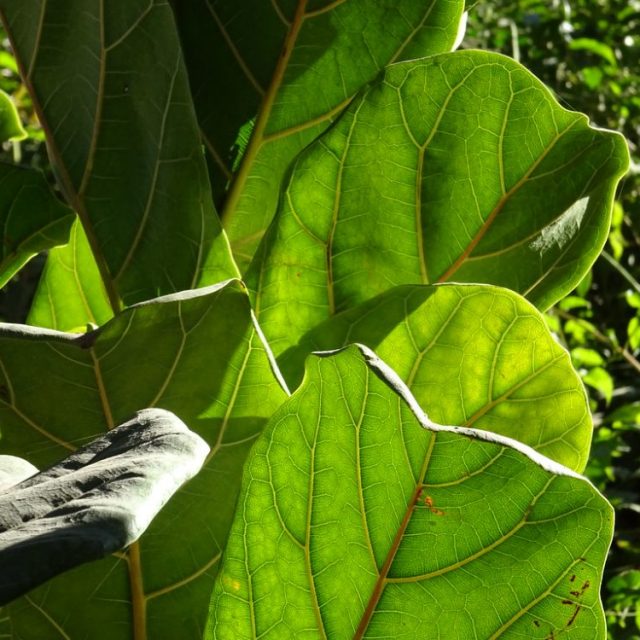
If your pet chewed it
- Rinse your pet’s mouth with water and offer a drink.
- Most pets recover within a few hours; call your vet if drooling, vomiting or pawing at the mouth continues.
Signs to watch for
- Drooling
- Pawing at the mouth
- Vomiting
- Skin irritation
What is harmful
- Parts
- Leaves and stems (sap)
- Substance
- Ficin and ficusin in the sap
The details
All figs grown as houseplants — fiddle-leaf, weeping fig and rubber plant — share the same irritating sap. Large specimens drop leaves when moved or stressed, so check the floor if you have a puppy.
Pet-safe alternatives

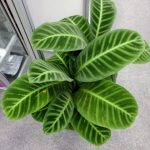


Questions owners ask
Is Fiddle-leaf fig toxic to cats?
Yes — mildly toxic to cats. Harmful parts: leaves and stems (sap).
Is Fiddle-leaf fig toxic to dogs?
Yes — mildly toxic to dogs. Harmful parts: leaves and stems (sap).
What happens if a pet eats fiddle-leaf fig?
drooling, pawing at the mouth, vomiting, skin irritation.
What should I do if my pet chewed it?
Rinse your pet’s mouth with water and offer a drink. Most pets recover within a few hours; call your vet if drooling, vomiting or pawing at the mouth continues.
What are pet-safe alternatives to fiddle-leaf fig?
Spider plant, Boston fern, Calathea (prayer plant), Areca palm, Moth orchid.
Sources
Tailwise is for general information and is reviewed by veterinary professionals, but it is not a substitute for advice from your own vet, who knows your pet. How we check facts