Indoors and out
Is Geranium toxic to cats and dogs?
Pelargonium species · also called Pelargonium, scented geranium
Cats
Mildly toxicDogs
Mildly toxicThe common potted geranium (Pelargonium) is mildly toxic. It can cause vomiting, loss of appetite and skin irritation; cats are more often affected.
 By Maya Hart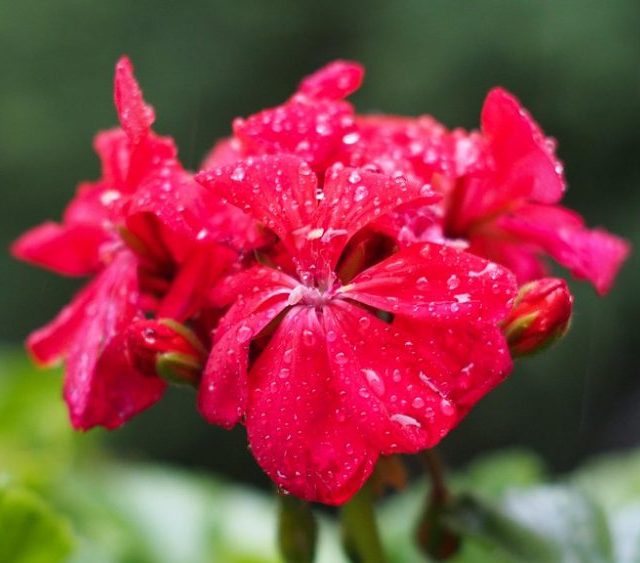
If your pet chewed it
- Rinse your pet’s mouth with water and offer a drink.
- Most pets recover within a few hours; call your vet if drooling, vomiting or pawing at the mouth continues.
Signs to watch for
- Vomiting
- Loss of appetite
- Skin irritation
- Low energy
What is harmful
- Parts
- Leaves and stems
- Substance
- Geraniol and linalool
The details
Scented geraniums, grown for their rose, lemon or mint-scented leaves, contain more essential oil and are more irritating. Geranium oil used in “natural” flea sprays should not be used on cats.
Pet-safe alternatives



Questions owners ask
Is Geranium toxic to cats?
Yes — mildly toxic to cats. Harmful parts: leaves and stems.
Is Geranium toxic to dogs?
Yes — mildly toxic to dogs. Harmful parts: leaves and stems.
What happens if a pet eats geranium?
vomiting, loss of appetite, skin irritation, low energy.
What should I do if my pet chewed it?
Rinse your pet’s mouth with water and offer a drink. Most pets recover within a few hours; call your vet if drooling, vomiting or pawing at the mouth continues.
What are pet-safe alternatives to geranium?
African violet, Moth orchid, Christmas cactus.
Sources
Tailwise is for general information and is reviewed by veterinary professionals, but it is not a substitute for advice from your own vet, who knows your pet. How we check facts