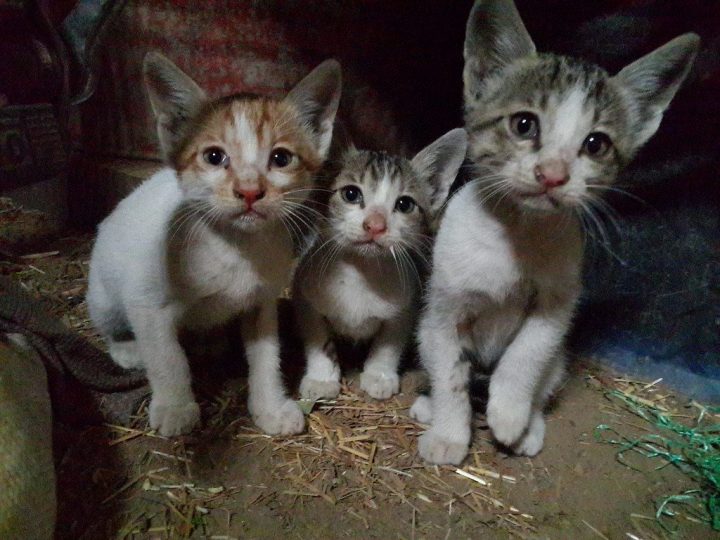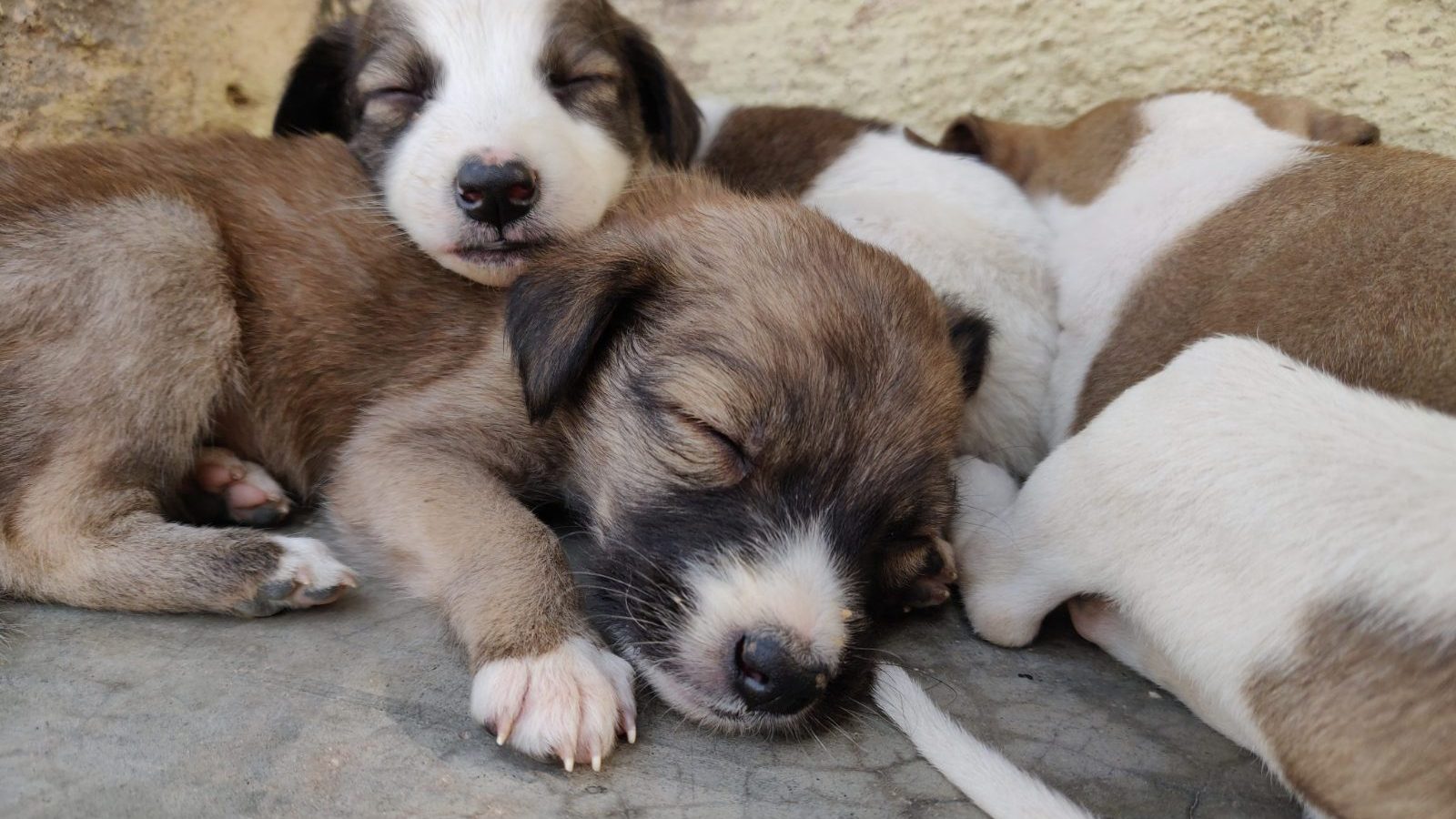
The car door closes, and a puppy the size of a loaf of bread is looking at you as if you are the only fixed point in a spinning world. For the next week, you are. What you do in these seven days — how predictable you are, how calm, how patient — will echo for years.
Nobody gets everything right. This plan simply gives you a shape to lean on.
Before day one
Set up a small, safe base: a crate or pen with a comfortable bed, a water bowl, and a spot for toilet trips just outside the door. Puppy-proof the room at puppy height — cables, shoes, houseplants, anything that fits in a mouth. Ask the breeder or shelter what food they have been using, and buy the same.
Check your houseplants before your puppy arrives. Lilies are dangerous to cats rather than dogs, but sago palms, dieffenbachia and many bulbs can make a puppy very ill.
Day one: arrive, sniff, sleep
Go straight to the toilet spot and wait. When your puppy goes, praise quietly and give a tiny treat. Then let them explore one room, not the whole house. Visitors can wait; so can the neighbours’ children. Puppies sleep eighteen to twenty hours a day, and a tired puppy is a fragile one.
At night, keep the crate beside your bed. Being able to hear and smell you makes the first nights far easier, and you will hear when they need to go out. You can move the crate gradually later.
Days two and three: rhythm
Build the day around toilet trips: after waking, after eating, after playing, and every hour or so in between. Young puppies can usually hold on for about as many hours as their age in months, plus one — and less when they are excited. Accidents indoors are information, not misbehaviour; clean them with an enzyme cleaner so the smell does not call them back.
Feed three or four small meals a day at the same times. Weigh the food. It is the first habit that protects your dog from the most common health problem in pet dogs: being overweight.
Days four and five: the world, gently
Socialisation does not mean meeting as many people and dogs as possible. It means pleasant, short, well-judged experiences: a vacuum cleaner at the far end of the house, a car ride around the block, a friend in a hat, the feel of a brush. Carry your puppy to watch traffic before vaccinations are complete — your vet will tell you when it is safe to walk on public ground.
Stop before your puppy has had enough. The goal is a dog who expects new things to be fine.
Day six: first vet visit
Book it for the first week even if vaccinations are already started. Bring any paperwork, a sample of food, and a list of questions — about worming, flea treatment, insurance and when to neuter. Take treats; make it a good day out.
Day seven: alone, briefly
Start teaching your puppy that being alone is normal. A few minutes in the pen with a chew while you are in another room, then longer. Puppies that are never left in the first months often struggle to cope when life returns to normal.
What can wait
- Long walks — little and often protects growing joints.
- Formal obedience classes — gentle games of sit and come are enough this week.
- Grooming salons, dog parks and parties.
By the end of the week you will both be tired, and something will have happened that no plan can schedule: your puppy will look for you when they wake up. That is the whole point.

Written by
Maya edits every page before it goes to review and keeps the reference library up to date. (Demo profile supplied with the Tailwise theme — replace it with your own team.)

Reviewed by
Tailwise is for general information and is reviewed by veterinary professionals, but it is not a substitute for advice from your own vet, who knows your pet. How we check facts