We may earn a commission when you buy through links on this page. It never changes what we recommend. Learn more
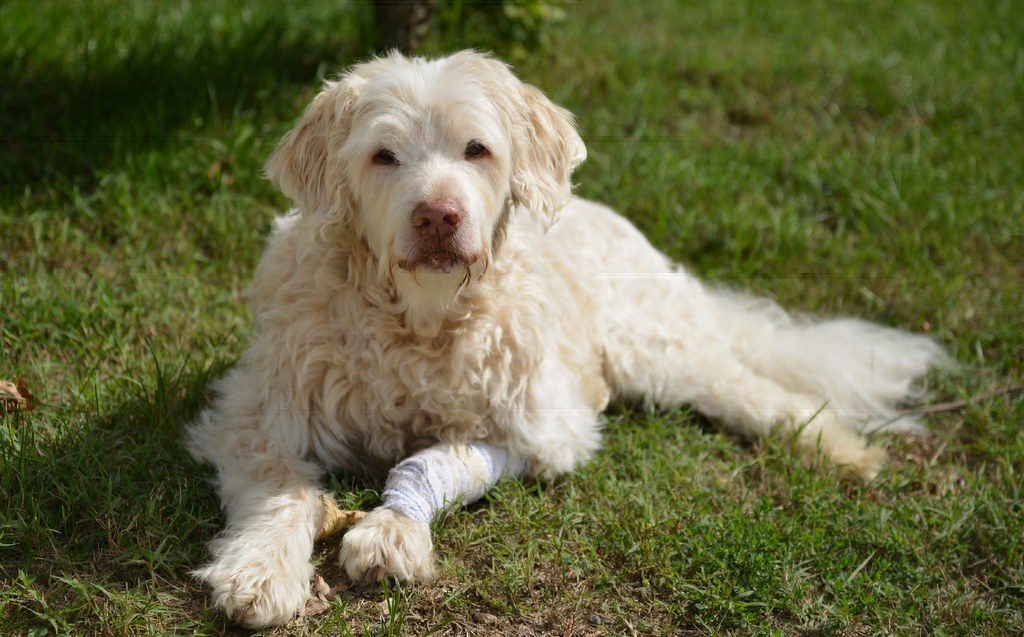
It happens gradually and then all at once. One day you notice the grey around the muzzle, the pause before the stairs, the way your dog now waits for the car door to be opened rather than leaping in. Your dog has become a senior.
When is a dog “old”?
It depends on size. Giant breeds may be seniors at six or seven; large dogs around seven; small dogs often not until nine or ten. Our age calculator shows where your dog is.
Twice-yearly check-ups
Dogs age faster than we do, so a year between vet visits is a long time in a senior’s life. Many vets recommend check-ups every six months, with blood and urine tests to catch kidney disease, liver changes, diabetes and hormonal conditions early, when they are most treatable.
Signs worth mentioning to your vet
- Stiffness after rest, reluctance on stairs or jumping, or lagging on walks — often arthritis, which is very treatable.
- Drinking or urinating more.
- Weight loss or gain, or a change in appetite.
- New lumps.
- Bad breath, dropping food or chewing on one side.
- Coughing, tiring quickly, or fast breathing at rest.
- Confusion, getting stuck in corners, night-time restlessness or forgotten house training — possible signs of canine cognitive dysfunction.
Joints: the biggest quality-of-life win
Most older dogs have some arthritis, and many owners mistake it for simply “slowing down”. Pain relief prescribed by your vet, keeping lean, and gentle, regular exercise can transform a stiff old dog.
- Keep walks shorter and more frequent rather than one long outing.
- Add rugs or runners on slippery floors.
- Use a ramp for the car or sofa.
- Give a thick, supportive bed away from draughts.
Comfort for older joints
We may earn a commission when you buy through links on this page. It never changes what we recommend.
Best for stiff joints
Orthopaedic memory-foam bed
4.6Firm support that spreads weight away from sore hips and elbows.
- Washable cover
- Low step-in edge
Best for cars and sofas
Folding pet ramp
4.2Saves jumping for long-backed breeds and older dogs.
- Non-slip surface
- Folds flat
Food and weight
Older dogs often need fewer calories, but some lose muscle and weight and need more protein. There is no single “senior diet”: your vet can advise based on your dog’s weight, body condition and blood results. Weigh your dog monthly — gradual loss is easy to miss.
Keep the mind busy
Sniffing games, food puzzles, short training sessions and new walking routes all help keep an older brain active. Senior dogs still love to learn.
Making hard decisions
There will come a time when the question is not “how long” but “how well”. Many vets suggest keeping a simple daily diary of good and bad days. When bad days outnumber good ones, it is time for an honest conversation with your vet. Giving a dog a peaceful end, before suffering takes over, is the last kindness we can offer.
Questions owners ask
What age is a senior dog?
It depends on size: giant breeds around six or seven, large dogs around seven, and small dogs often around nine or ten.
Should older dogs eat senior food?
Not automatically. Some older dogs need fewer calories, others need more protein to maintain muscle. Your vet can recommend a diet based on your dog’s weight and health.
How can I tell if my old dog is in pain?
Look for stiffness after rest, reluctance to climb or jump, restlessness at night, licking joints, irritability and changes in posture. Many dogs don’t cry or limp obviously.

Written by
Maya edits every page before it goes to review and keeps the reference library up to date. (Demo profile supplied with the Tailwise theme — replace it with your own team.)

Reviewed by
Tailwise is for general information and is reviewed by veterinary professionals, but it is not a substitute for advice from your own vet, who knows your pet. How we check facts