You spot one flea and think you have a flea. In reality, you have a flea life cycle. The adults on your pet are only a small part of the population; the rest are eggs, larvae and pupae in carpets, sofas and bedding, waiting to hatch. That is why flea problems seem to come back just when you think they are gone.
How the life cycle works
An adult female flea starts laying eggs within a day or two of her first meal and can lay dozens a day. The eggs fall off your pet around the home. They hatch into larvae that hide deep in carpets and cracks, then spin cocoons. Inside, the pupae can wait for weeks — protected from most sprays — until warmth, vibration or carbon dioxide tells them a host is nearby.
Step 1: treat every pet in the home
Every dog and cat, even the ones that aren’t scratching, needs an effective flea treatment — ideally one recommended by your vet. Many supermarket products are less effective, and fleas have developed resistance to some older ingredients.
Never use a dog flea product on a cat. Many dog spot-ons contain permethrin, which can cause tremors, seizures and death in cats. Use products made for each species and weight.
Step 2: treat the home
- Vacuum every day for a few weeks — carpets, sofas, under furniture, the car. Vibration triggers pupae to hatch, bringing them out to meet the treatment. Empty the vacuum outside.
- Wash bedding — your pet’s and any blankets they lie on — on a hot wash, at 60°C if the fabric allows.
- Use a household flea spray that contains an insect growth regulator, which stops eggs and larvae developing. Keep pets (and fish tanks) away while it dries, and follow the label.
Step 3: keep going
Expect to see some fleas for up to three months: new adults keep hatching from pupae. Each one that jumps on a treated pet dies, so this doesn’t mean the treatment has failed. Stopping too early is the most common reason infestations return.
Other things fleas bring
- Tapeworms — pets pick them up by swallowing fleas while grooming. Look for rice-like segments near the tail.
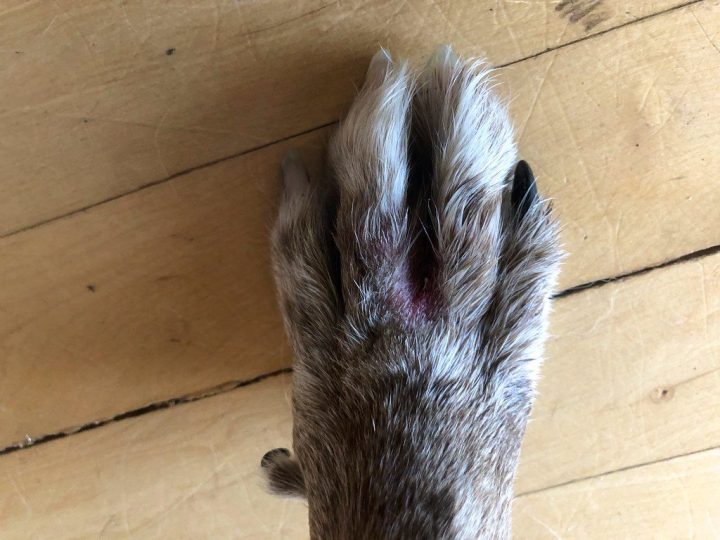
- Flea allergy dermatitis — a single bite can make an allergic pet intensely itchy, often around the base of the tail.
- Anaemia in kittens and puppies with heavy infestations.
Prevention
Year-round protection is easier than dealing with an infestation. Centrally heated homes let fleas breed in winter too.
To check your pet, comb the coat over a damp white paper towel. Black specks that turn reddish-brown are flea dirt — digested blood — even if you never see a flea.
Questions owners ask
How long does it take to get rid of fleas?
Usually around three months of consistent treatment of all pets and the home, because pupae keep hatching for weeks. Fleas seen during that time are new adults dying on treated pets.
Can fleas live on humans?
Cat and dog fleas may bite people, usually around the ankles, but they can’t complete their life cycle on us. Treating your pets and home solves the problem for everyone.
Do indoor cats need flea treatment?
Often, yes. Fleas can come in on people, other pets or visitors. Ask your vet about the right protection for your cat’s lifestyle.

Written by
Maya edits every page before it goes to review and keeps the reference library up to date. (Demo profile supplied with the Tailwise theme — replace it with your own team.)

Reviewed by
Tailwise is for general information and is reviewed by veterinary professionals, but it is not a substitute for advice from your own vet, who knows your pet. How we check facts