We may earn a commission when you buy through links on this page. It never changes what we recommend. Learn more
Cats have a way of seeming ageless. The same cat that sprang onto the kitchen counter at two is sleeping in the same patch of sun at fourteen, and it is easy to assume nothing has changed. But inside, a lot has — and older cats are experts at concealing it.
When does a cat become senior?
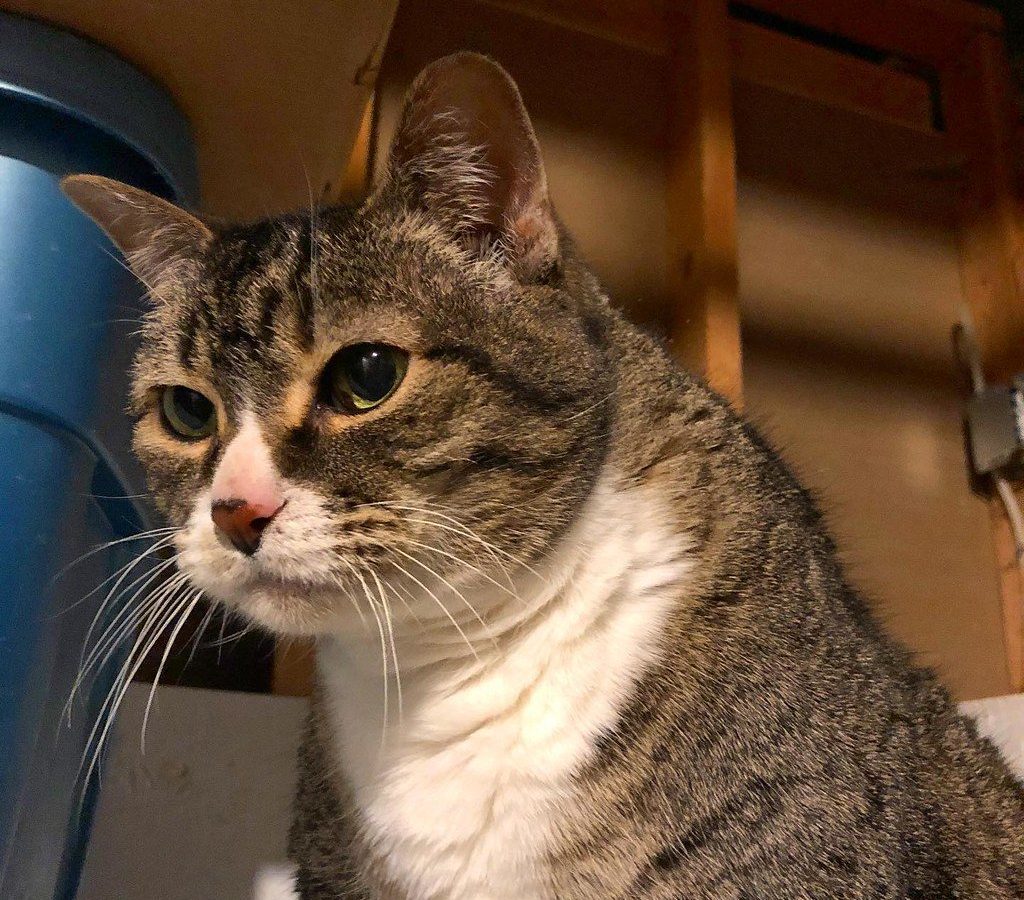
Veterinary guidelines describe cats from about eleven to fourteen as senior and fifteen and over as geriatric. Many cats now live into their late teens and some into their twenties, which makes the senior years a long and important stage of life.
The common conditions of older cats
- Chronic kidney disease — drinking more, peeing more, weight loss, poor coat.
- Overactive thyroid (hyperthyroidism) — weight loss despite a big appetite, restlessness, vomiting.
- Diabetes — drinking and peeing more, weight loss, sometimes walking on the hocks.
- High blood pressure — often linked to kidney or thyroid disease; can cause sudden blindness.
- Arthritis — found on X-rays in most cats over twelve, but rarely noticed.
- Dental disease — including painful tooth resorption.
All of these are easier to manage when caught early, which is why vets recommend check-ups every six months for older cats, with blood tests, urine tests and blood pressure checks.
What you can monitor at home
- Weight. Weigh your cat monthly — a baby scale, or yourself with and without the cat. Unexplained weight loss is often the earliest sign of illness.
- Drinking. Notice if the water bowl empties faster, or the litter clumps are bigger and more frequent.
- Grooming. A scruffy back or matted coat can mean it hurts to twist.
- Jumping. Is your cat still getting up to their favourite places?
Adapting the home
- A litter tray with a low entrance on every floor.
- Steps or ramps to favourite windowsills and beds.
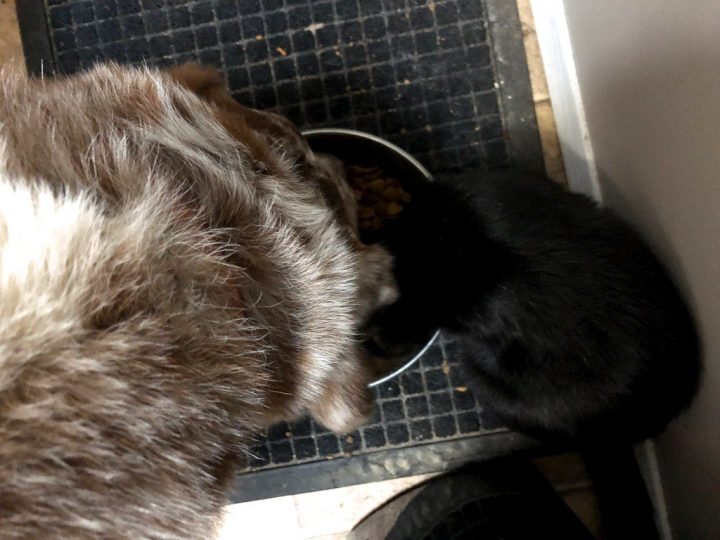
- Food and water where your cat spends time, not just in the kitchen.
- Warm, padded beds — older cats feel the cold.
- Brush your cat regularly if they are struggling to groom themselves.
Comfort for older cats
We may earn a commission when you buy through links on this page. It never changes what we recommend.
Best for stiff joints
Orthopaedic memory-foam bed
4.6Firm support that spreads weight away from sore hips and elbows.
- Washable cover
- Low step-in edge
Changes in behaviour
Night-time yowling, confusion and forgetting where the tray is can be signs of cognitive dysfunction — but also of high blood pressure, an overactive thyroid or pain. Don’t assume it is just old age; mention it to your vet.
An older cat is often at their most affectionate — more lap time, more conversation, more interest in you. With good care, the senior years can be some of the best.
Questions owners ask
How long do indoor cats live?
Many indoor cats live into their mid to late teens, and some into their twenties. Regular check-ups help catch age-related diseases early.
Why is my old cat losing weight?
Common causes include an overactive thyroid, kidney disease, diabetes, dental pain and cancer. Weight loss in an older cat always deserves a vet check.
Why does my old cat yowl at night?
Night-time vocalising can be linked to high blood pressure, an overactive thyroid, pain, deafness or cognitive changes. Mention it to your vet rather than assuming it is just age.

Written by
Maya edits every page before it goes to review and keeps the reference library up to date. (Demo profile supplied with the Tailwise theme — replace it with your own team.)

Reviewed by
Tailwise is for general information and is reviewed by veterinary professionals, but it is not a substitute for advice from your own vet, who knows your pet. How we check facts