A good litter box setup is invisible: your cat uses it, you scoop it, nobody thinks about it. A bad one announces itself in the worst possible way. Most litter problems come down to a handful of details that are easy to get right.
How many?
One per cat, plus one. Two cats need three trays, in different places. Cats sharing a home may avoid a tray that another cat guards or has just used.
How big?
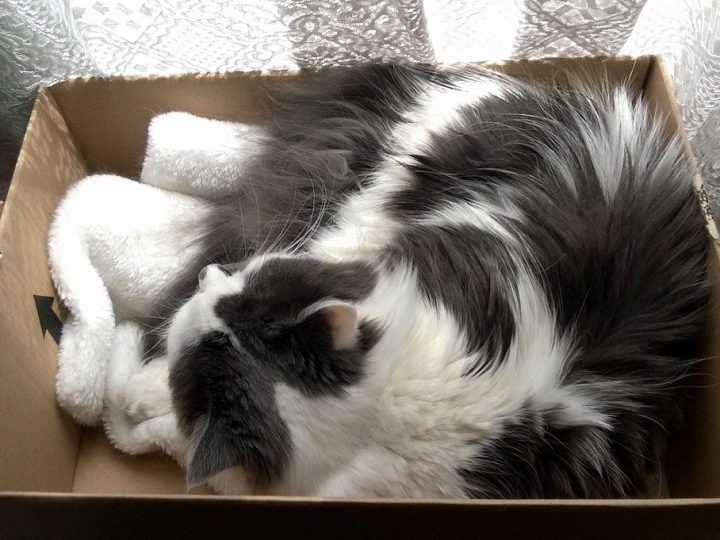
Most trays sold for cats are too small. Aim for about one and a half times the length of your cat from nose to base of tail. Large plastic storage boxes, with an entrance cut low in one side, make excellent trays.
Covered or open?
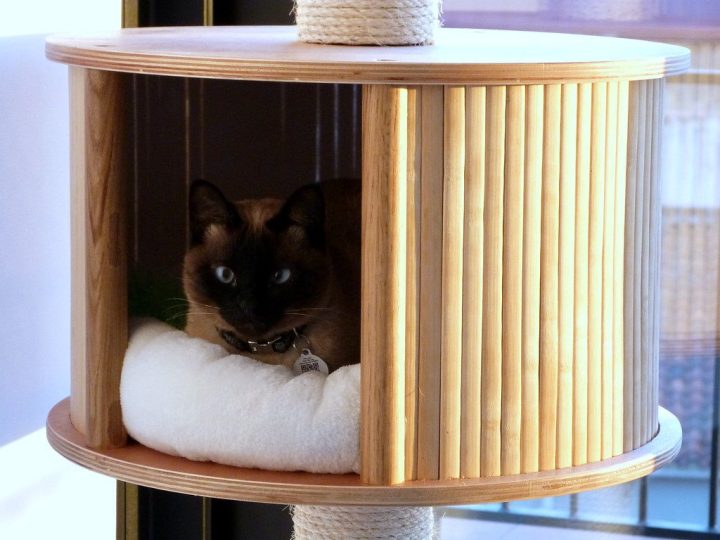
Covered trays keep litter in and smells out — for us. For cats, they concentrate odours and hide what’s coming around the corner. Many cats prefer open trays. If you use a covered one, clean it more often.
Which litter?
Studies of cat preferences point to fine-grained, unscented clumping litter. Keep it about 3–5 cm deep. If your cat is happy with a different litter, there’s no need to change; if you do, mix the new one in gradually.
Where?
- Somewhere quiet and private, but not hidden in a corner where a cat could be trapped.
- Away from food and water.
- Not next to noisy washing machines or boilers.
- At least one on every floor of the house.
- Easy to reach for kittens and older cats — low sides or a ramp.
Cleaning
Scoop at least once a day, twice if you can. Once every week or two, empty the tray, wash it with hot water and mild, unscented soap, dry it, and refill. Avoid strong disinfectants and anything containing ammonia, which smells like urine to a cat.
A cat straining in the tray, going often with little result, or crying while peeing needs a vet today. In male cats, this can be a urinary blockage — an emergency.
What your cat’s tray tells you
Scooping is also a daily health check. Bigger or more frequent urine clumps can mean kidney disease or diabetes; diarrhoea, constipation or blood are worth a call to your vet. Few owners realise how useful this ordinary chore can be.
Get the tray right and it becomes one of those things you never have to think about — which is exactly how your cat likes it too.
Questions owners ask
Where is the worst place for a litter box?
Next to food and water, beside noisy appliances, in busy hallways, or anywhere another pet can trap the cat.
How often should I change cat litter completely?
With clumping litter scooped daily, empty and wash the tray every week or two. Non-clumping litter needs changing more often.
Are self-cleaning litter boxes good?
Some cats accept them well, and they make scooping easier. Others are frightened by the noise. Introduce one gradually and keep a regular tray available too.

Written by
Maya edits every page before it goes to review and keeps the reference library up to date. (Demo profile supplied with the Tailwise theme — replace it with your own team.)

Reviewed by
Tailwise is for general information and is reviewed by veterinary professionals, but it is not a substitute for advice from your own vet, who knows your pet. How we check facts