Somewhere between three and fourteen weeks of age, a puppy’s brain is doing something remarkable: deciding what in the world is normal. Things met calmly in this window — lorries, umbrellas, men with beards, the vacuum cleaner — are filed as “fine”. Things never met can later be treated as alarming. Behaviourists call it the sensitive period, and it closes quickly.
That’s why socialisation is one of the most important things you will ever do for your dog. It is also widely misunderstood.
Socialisation isn’t meeting everyone
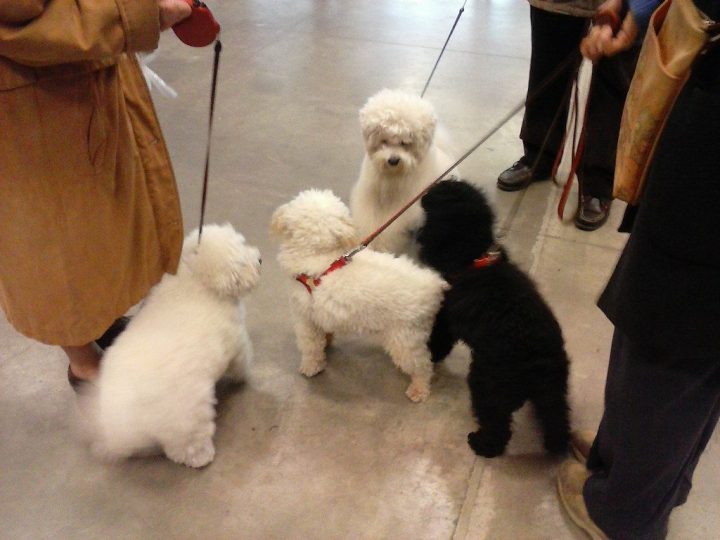
Good socialisation is about pleasant, calm experiences, not quantity. A puppy who is passed around a crowd of strangers, or mobbed by a boisterous adult dog, may learn that the world is frightening — the opposite of what you wanted. Watching the world from a safe distance, with treats, is socialisation too.
Before vaccinations are finished
Don’t wait. Carry your puppy, or use a pet buggy, to watch traffic, markets and school gates. Invite vaccinated, friendly adult dogs and visitors of all ages to your home. Your vet can advise on the balance between disease risk and the lifelong cost of missing this window — most veterinary behaviour organisations agree that early, careful socialisation outweighs the risk.
A checklist to work through
- People: children (calm and supervised), elderly people, people in hats, hi-vis, uniforms, with beards, sticks or wheelchairs.
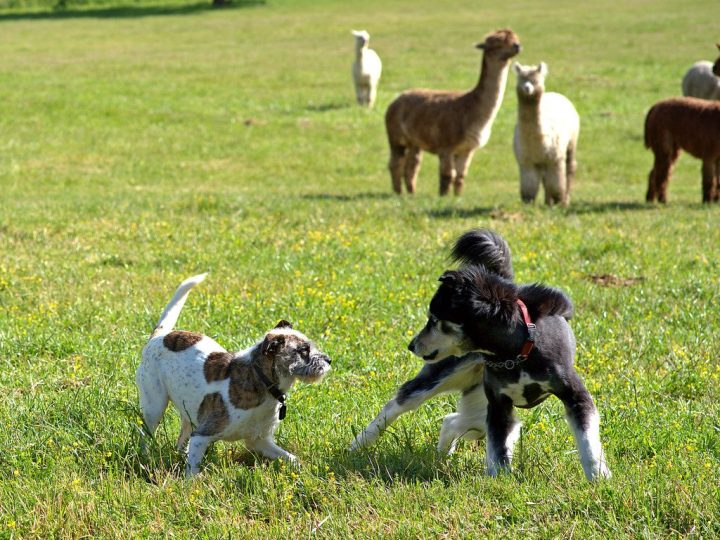
- Animals: calm vaccinated adult dogs, cats that are dog-friendly, livestock at a distance.
- Sounds: traffic, doorbells, hairdryers, thunder and fireworks recordings played quietly at first.
- Surfaces: grass, gravel, metal grates, wet floors, stairs.
- Handling: paws, ears, mouth, being lifted, a towel, a brush, nail clippers.
- Places: the car, the vet’s waiting room (just for treats), a café terrace, a quiet station.
Pair every new thing with something your puppy loves — tiny treats, a game — and let your puppy choose to approach. Never force a puppy towards something they are backing away from.
Read the signs
A comfortable puppy has a loose, wiggly body and takes food easily. A worried puppy may lick their lips, yawn, turn away, tuck the tail, freeze or refuse treats. If you see these, move further away, and finish the session on a good note. Short, happy outings are better than long, tiring ones.
Puppy classes
A good puppy class provides safe play with carefully matched puppies and teaches basic manners using rewards. Look for small groups, calm trainers and plenty of space. Avoid any class where puppies are left to “sort it out” in a free-for-all.
It doesn’t stop at fourteen weeks
Keep up gentle new experiences through adolescence. Dogs can become more cautious between six months and eighteen months, and a few positive meetings a week keep their world wide.
Questions owners ask
Is it too late to socialise an older puppy or adult dog?
The sensitive period has passed, but dogs keep learning all their lives. Progress is slower and should be very gradual; a qualified behaviourist can help with fearful dogs.
Should my puppy play with every dog we meet?
No. Teach your puppy that other dogs are often just part of the scenery. Only let them greet dogs you know are friendly and gentle.
My puppy is shy. Will they grow out of it?
Some do, but many shy puppies become fearful adults without help. Keep experiences gentle and positive, and ask your vet or a behaviourist early.

Written by
Sam writes our breed and behaviour guides. (Demo profile supplied with the Tailwise theme.)

Reviewed by
Tailwise is for general information and is reviewed by veterinary professionals, but it is not a substitute for advice from your own vet, who knows your pet. How we check facts