Dogs are talking all the time. They use their whole bodies — ears, eyes, mouth, tail, weight and posture — and they are usually very clear. The trouble is that we humans tend to watch only the tail, and to read even that wrong.
The key rule is to read the whole dog in context, not a single signal.
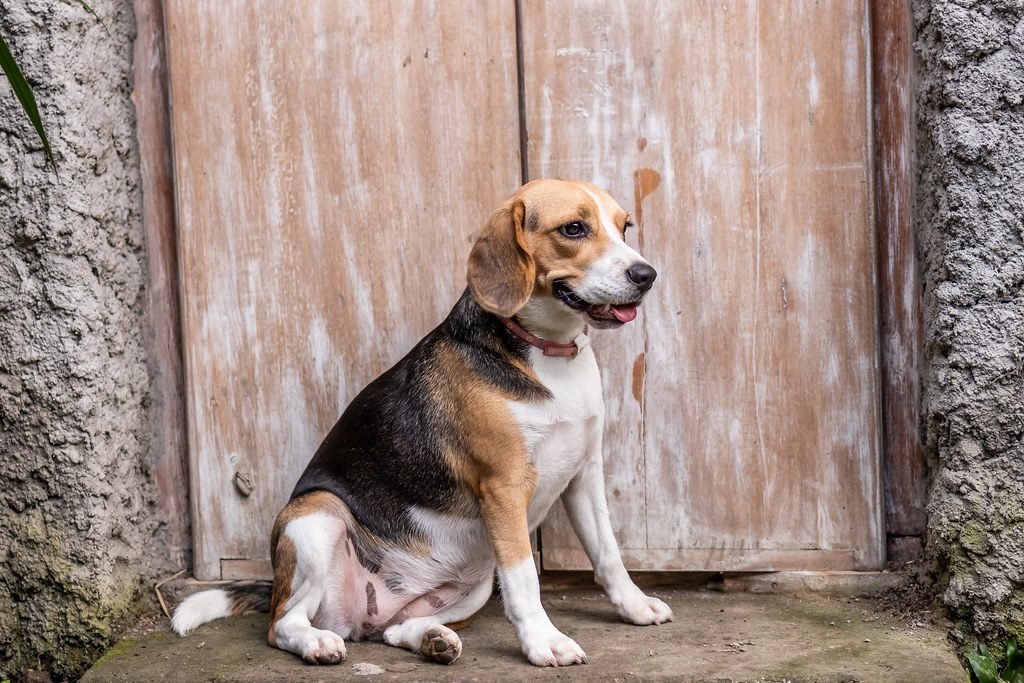
A relaxed dog
- Soft, loose body with weight evenly spread.
- Mouth slightly open, tongue relaxed, soft eyes with normal blinking.
- Ears in their natural position for the breed.
- Tail at a neutral height, perhaps a loose, sweeping wag.
The tail
A wag means the dog is aroused and ready to interact — not necessarily friendly. A low, fast wag with a lowered body often means appeasement or worry. A high, stiff tail vibrating quickly can mean tension or a dog about to react. A tail tucked between the legs means fear. Research also suggests dogs wag more to the right when they are positive and more to the left when they are uneasy, though it’s subtle.
Stress signals
Many signals of worry are small and easy to miss:
- lip licking, when no food is around;
- yawning in a situation that isn’t sleepy;
- “whale eye” — the whites of the eyes showing as the dog looks sideways;
- turning the head or body away, sniffing the ground suddenly;
- a paw lifted, ears pinned back, a tight closed mouth;
- shaking off, as if wet, after a tense moment.
Most bites come after a series of warnings that were missed or punished. If a dog stiffens, freezes, stares hard, curls a lip or growls, calmly give them space. Never punish a growl — it is a warning, and a dog punished for warning may bite without one next time.
The ladder of aggression
Behaviourists describe a “ladder”: yawning and lip licking at the bottom, then turning away, walking away, crouching and tucking the tail, stiffening and staring, growling, snapping, and finally biting. Dogs who are repeatedly pushed past the lower signals learn to skip them.
Play signals
Play looks exaggerated and bouncy: the play bow (front end down, rear up), loopy movements, role reversals, pauses and self-handicapping by the bigger dog. Healthy play has breaks. If one dog is always on top, always chasing, or trying to escape, it’s time to interrupt.
Children and dogs
Children often hug dogs, lean over them and stare at their faces — three things most dogs dislike. Teach children to let dogs come to them, to stroke the chest or side rather than the head, and to leave dogs alone when they are eating or resting. Always supervise.
Questions owners ask
Why does my dog show their belly?
Sometimes it’s an invitation for a tummy rub; sometimes it’s appeasement from a worried dog. Look at the rest of the body — a loose, wiggly dog is inviting, a stiff one with tight lips is not.
Does a yawn mean my dog is tired?
Not always. Dogs often yawn when stressed or unsure — for example at the vet or when being hugged.
Is a “guilty look” real?
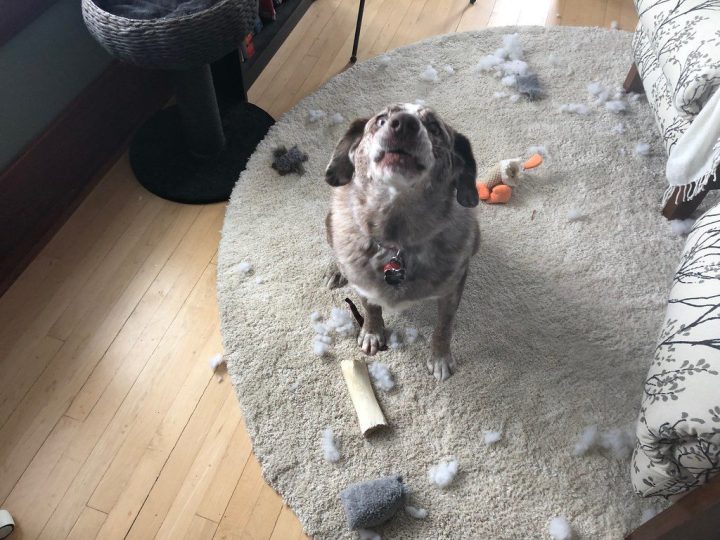
Studies suggest the “guilty look” is mostly a response to the owner’s behaviour, not a sign that the dog knows they did something wrong.

Written by
Sam writes our breed and behaviour guides. (Demo profile supplied with the Tailwise theme.)

Reviewed by
Tailwise is for general information and is reviewed by veterinary professionals, but it is not a substitute for advice from your own vet, who knows your pet. How we check facts