Some dogs leap into the bath. Others become liquid and disappear under the bed at the sound of running water. Either way, a good bath routine keeps the coat and skin healthy without stripping natural oils — and with a bit of preparation, it doesn’t have to be a wrestling match.
How often?
Most dogs only need a bath every few weeks to every few months, or when they are smelly or dirty. Regular brushing does more for coat health than frequent bathing. Dogs with certain skin conditions may need medicated baths more often — follow your vet’s instructions.
Choose the right shampoo
Use a shampoo made for dogs. Human shampoo is formulated for human skin, which has a different pH, and can dry and irritate a dog’s skin. Gentle oatmeal or unscented shampoos suit most dogs. Never use products with tea tree or other essential oils on cats, and be cautious with them on dogs.
Before the bath
- Brush thoroughly first — water tightens mats into felt.
- Put a non-slip mat in the bath or shower tray.
- Get everything ready: shampoo, towels, a jug or shower head, treats.
- Use lukewarm water — test it on your wrist.
Step by step
- Wet the coat thoroughly from the neck back, avoiding the face.
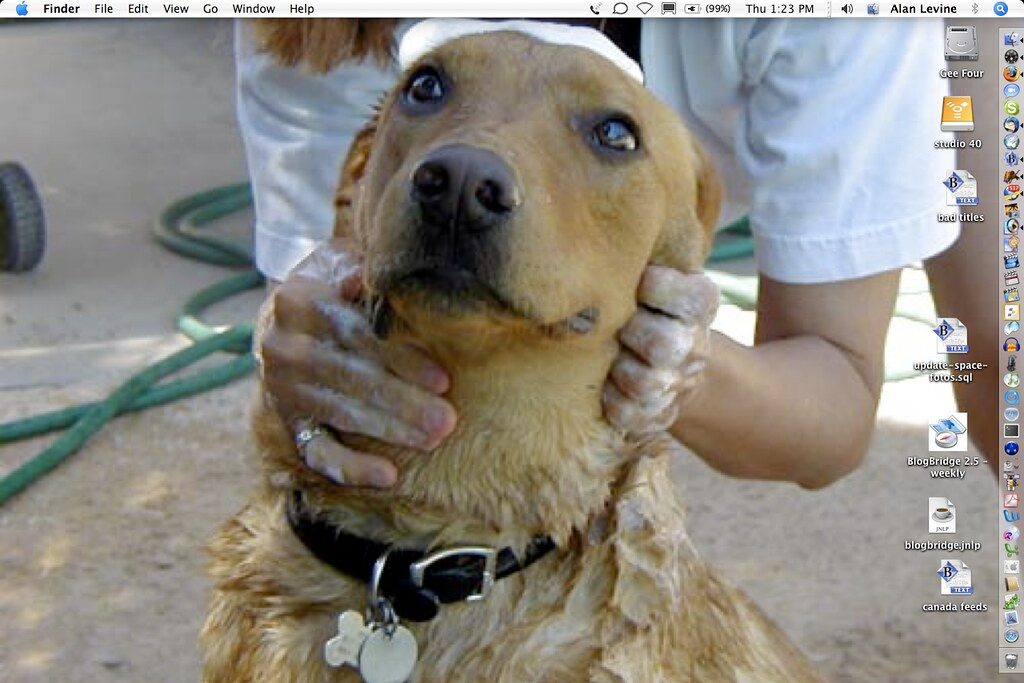
- Lather the shampoo into the coat, working down to the skin. Pay attention to the armpits, belly and paws.
- Wash the face with a damp cloth, avoiding the eyes and ears.
- Rinse — then rinse again. Leftover shampoo causes itching and flaky skin.
- Squeeze water from the coat with your hands, then towel dry.
Smear a lickable treat such as plain yogurt on a silicone lick mat stuck to the bath wall. Many anxious dogs relax completely while they lick.
Drying
Most dogs can be towel-dried and kept warm indoors. If you use a hairdryer, keep it on a cool or warm setting, keep it moving and hold it well away from the skin. Thick double coats take hours to dry — don’t let them stay damp, as this can lead to skin infections (“hot spots”).
Ears
Keep water out of the ears and dry them afterwards. Dogs prone to ear infections benefit from an ear cleaner your vet recommends.
Emergencies: fox poo and skunks
Fox faeces needs a specific approach: wash the area with a dog shampoo or a little washing-up liquid, then rinse thoroughly. Commercial fox-poo shampoos work well. For skunk spray, recipes using hydrogen peroxide, baking soda and washing-up liquid are often recommended — keep it away from the eyes, use it immediately (never store it), and rinse thoroughly.
Questions owners ask
Can I use baby shampoo on my dog?
Mild baby shampoo is gentler than adult shampoo and is okay occasionally, but a dog shampoo is better for regular use.
How do I bathe a dog that hates water?
Go slowly over several sessions: reward your dog for standing in the empty bath, then with a trickle of water, then with a wet cloth. Use a lick mat and keep baths short.
Should I bathe my puppy?
Only when needed, with a puppy shampoo, and keep them warm afterwards. Gentle, positive early baths make grooming easier for life.

Written by
Maya edits every page before it goes to review and keeps the reference library up to date. (Demo profile supplied with the Tailwise theme — replace it with your own team.)

Reviewed by
Tailwise is for general information and is reviewed by veterinary professionals, but it is not a substitute for advice from your own vet, who knows your pet. How we check facts