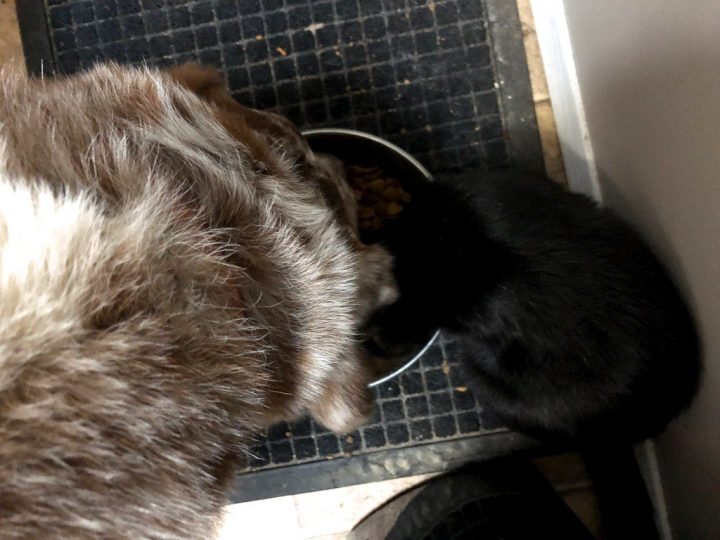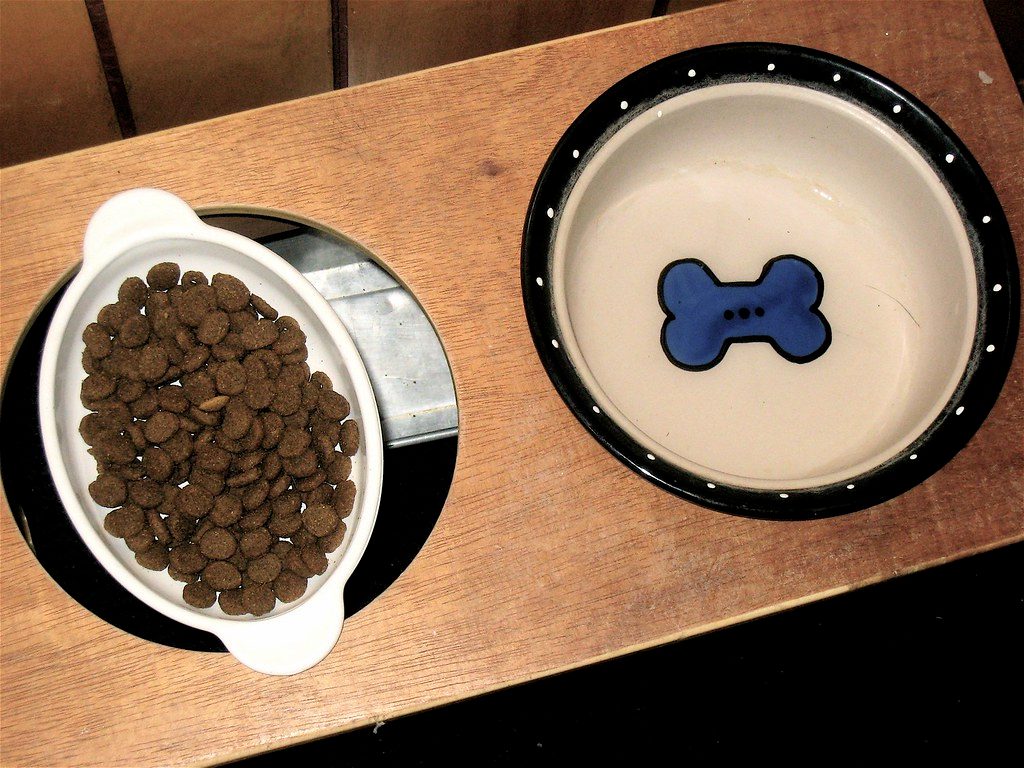
The price tag on a puppy or an adoption fee is only the start. Over a dog’s life, the real costs are food, vet care, insurance, grooming, equipment and care when you are away — and the occasional emergency that can cost more than everything else combined. Planning for them is one of the kindest things you can do for a dog, because money worries are a common reason dogs are given up.
One-off costs
- Purchase price or adoption fee.
- Initial vaccinations, microchip (often done by the breeder or rescue), and neutering.
- Equipment: bed, crate, bowls, collar and harness, leads, toys, grooming tools, car restraint, baby gates.
- Puppy training classes.
Regular costs
- Food — the biggest regular expense, rising steeply with size. A giant breed can eat several times as much as a toy breed.
- Insurance — premiums depend on breed, age and where you live. Breeds with known health problems cost more to insure.
- Preventive care — yearly check-ups and boosters, flea and worm treatments.
- Grooming — professional grooming every six to eight weeks for curly, wire or long coats.
- Care while you’re away — dog walkers, day care, kennels or sitters.
- Treats, chews, toys and replacements.
Our pet cost calculator estimates first-year and yearly costs from your dog’s size and your choices.
What changes the numbers
- Size: bigger dogs cost more in food, medicine doses, insurance and boarding.
- Breed health: breeds prone to conditions such as breathing problems, hip dysplasia or skin disease can mean much higher lifetime vet bills.
- Age: older dogs often need medication and more frequent checks — arthritis, dental work and thyroid treatment add up.
- Lifestyle: full-time workers may need daily walkers or day care.
The emergency fund
An accident or serious illness — a swallowed sock, a torn cruciate ligament, a bloat — can cost thousands. Insurance helps, but check what each policy covers: lifetime policies cover ongoing conditions year after year, while some cheaper policies stop paying after a time or amount limit. Many owners also keep an emergency savings pot. See our guide to pet insurance.
Ways to save without cutting corners: keep your dog lean (it reduces many health costs), brush teeth daily, buy food in bulk, learn to trim nails and brush coats at home, and ask about preventive health plans that spread the cost of routine care.
Questions owners ask
Are small dogs cheaper to keep?
Usually, in food, medicine and boarding. But some small breeds have expensive dental and joint problems, and they often live longer — so there are more years of costs.
Is pet insurance worth it?
For many owners, yes — especially for breeds with known health risks. If you choose not to insure, set aside money regularly for emergencies.
Is adopting cheaper than buying?
Adoption fees are usually lower and often include vaccinations, neutering and a microchip. Ongoing costs are similar.

Written by
Maya edits every page before it goes to review and keeps the reference library up to date. (Demo profile supplied with the Tailwise theme — replace it with your own team.)

Reviewed by
Tailwise is for general information and is reviewed by veterinary professionals, but it is not a substitute for advice from your own vet, who knows your pet. How we check facts