Fruit
Can cats eat apricots?
A small piece of the flesh is safe, but offers little to a cat. Keep stones and leaves away.
Why Cyanogenic glycosides in the stone, leaves and stems
 By Maya Hart
If your cat ate some
- A small amount usually causes nothing worse than a mild stomach upset.
- Offer water, skip the next treat and call your vet if vomiting or diarrhoea lasts more than a day or your pet seems unwell.
- If a stone was swallowed, call your vet — blockages are common in small and medium dogs.
Signs to watch for
- Vomiting or retching (stone lodged)
- Straining or no stools (blockage)
- Bright red gums, breathing difficulty (cyanide — rare, from chewed stones or leaves)
How much, how often
A tiny piece, if at all.
Treats of any kind should stay under 10% of the day’s calories. Work out your pet’s calories
Serving it safely
- Remove the stone every time
- Keep dogs away from fallen fruit under apricot trees
- Dried apricots are sugary — tiny pieces only
Dogs and cats, side by side
Dogs In moderation
The flesh is safe in small amounts. The stone, leaves and stems contain cyanide-producing compounds, and the stone can choke a dog or block the gut.
How much: A slice or two of the flesh, stone removed.
Can dogs eat apricots?Cats In moderation
A small piece of the flesh is safe, but offers little to a cat. Keep stones and leaves away.
How much: A tiny piece, if at all.
The details
The greatest risk with apricots, plums and peaches isn’t the fruit but the stone. Dogs tend to swallow stones whole, and they can get stuck in the gut. A stone that is chewed releases small amounts of cyanide, though poisoning from a single stone is uncommon.
If you have fruit trees, pick up windfalls regularly — fermenting fruit can also cause alcohol poisoning.
Safer treats your cat can have instead

Questions owners ask
Can cats eat apricots?
A small piece of the flesh is safe, but offers little to a cat. Keep stones and leaves away.
How much apricots can a cat have?
A tiny piece, if at all.
What makes apricots risky for cats?
Cyanogenic glycosides in the stone, leaves and stems.
What are the signs to watch for in cats?
vomiting or retching (stone lodged), straining or no stools (blockage), bright red gums, breathing difficulty (cyanide — rare, from chewed stones or leaves).
What should I do if my cat ate apricots?
A small amount usually causes nothing worse than a mild stomach upset. Offer water, skip the next treat and call your vet if vomiting or diarrhoea lasts more than a day or your pet seems unwell. If a stone was swallowed, call your vet — blockages are common in small and medium dogs.
Is apricots safe for dogs too?
The flesh is safe in small amounts. The stone, leaves and stems contain cyanide-producing compounds, and the stone can choke a dog or block the gut.
Sources
Tailwise is for general information and is reviewed by veterinary professionals, but it is not a substitute for advice from your own vet, who knows your pet. How we check facts
More foods for cats
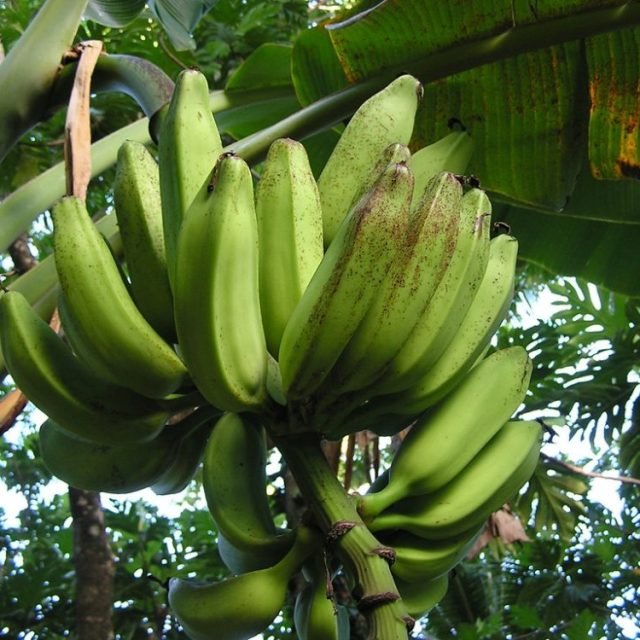
Bananas
- Dogs
- In moderation
- Cats
- In moderation

Blueberries
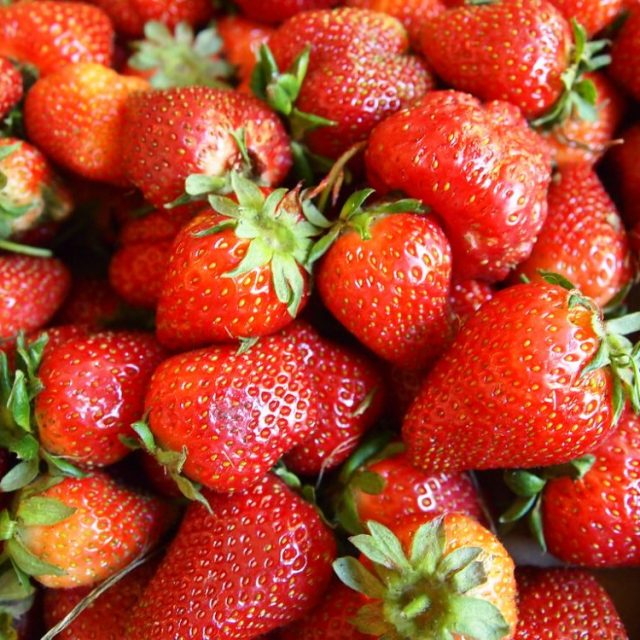
Strawberries
- Dogs
- Safe
- Cats
- In moderation

Watermelon
- Dogs
- Safe
- Cats
- In moderation