Fruit
Can cats eat lemons?
The essential oils and psoralens in lemons and other citrus are toxic to cats.
Why Limonene, linalool and psoralens (mostly in peel and plant)
 By Maya Hart
If your cat ate some
- A small amount usually causes nothing worse than a mild stomach upset.
- Offer water, skip the next treat and call your vet if vomiting or diarrhoea lasts more than a day or your pet seems unwell.
- Call your vet if a cat ate lemon or licked citrus oil.
Signs to watch for
- Vomiting and diarrhoea
- Drooling
- Skin sensitivity to sunlight
- Wobbliness (large amounts or oils)
Dogs and cats, side by side
Dogs In moderation
Not really. Lemon flesh isn’t seriously toxic, but it is acidic and most dogs dislike it. The peel, seeds and plant contain psoralens and oils that can cause stomach upsets.
How much: Avoid.
Can dogs eat lemons?Cats Toxic
No. The essential oils and psoralens in lemons and other citrus are toxic to cats.
The details
Citrus scents are often used as a deterrent to keep cats off furniture, because most cats find them unpleasant. The problem comes with concentrated citrus essential oils and cleaning products, which can be absorbed through the skin.
Safer treats your cat can have instead
Questions owners ask
Can cats eat lemons?
No. The essential oils and psoralens in lemons and other citrus are toxic to cats.
What makes lemons risky for cats?
Limonene, linalool and psoralens (mostly in peel and plant).
What are the signs to watch for in cats?
vomiting and diarrhoea, drooling, skin sensitivity to sunlight, wobbliness (large amounts or oils).
What should I do if my cat ate lemons?
A small amount usually causes nothing worse than a mild stomach upset. Offer water, skip the next treat and call your vet if vomiting or diarrhoea lasts more than a day or your pet seems unwell. Call your vet if a cat ate lemon or licked citrus oil.
Is lemons safe for dogs too?
Not really. Lemon flesh isn’t seriously toxic, but it is acidic and most dogs dislike it. The peel, seeds and plant contain psoralens and oils that can cause stomach upsets.
Sources
Tailwise is for general information and is reviewed by veterinary professionals, but it is not a substitute for advice from your own vet, who knows your pet. How we check facts
More foods for cats

Grapes and raisins
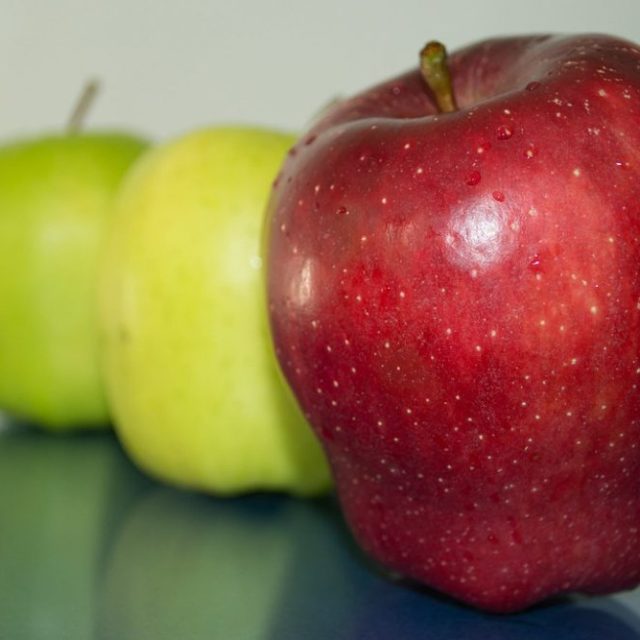
Apples
- Dogs
- Safe
- Cats
- In moderation

Bananas
- Dogs
- In moderation
- Cats
- In moderation
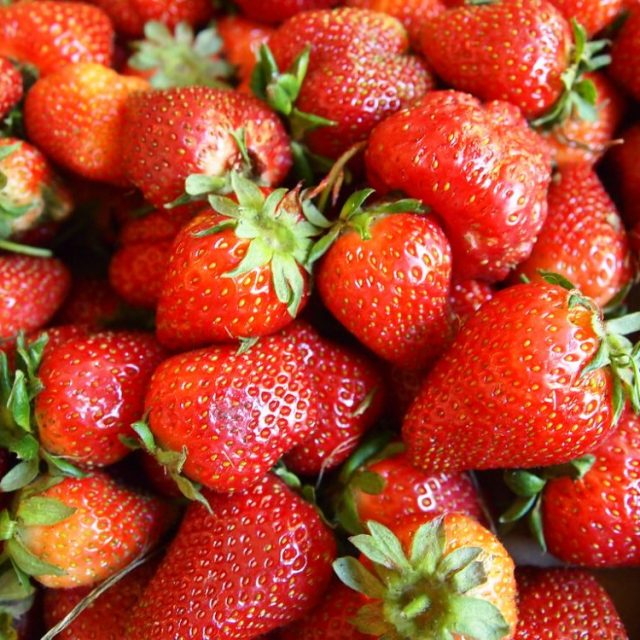
Strawberries
- Dogs
- Safe
- Cats
- In moderation