Dairy & eggs
Can cats eat milk?
Not really. Despite the image, most adult cats are lactose intolerant and milk often gives them diarrhoea. Water is all they need.
Why Lactose
 By Maya Hart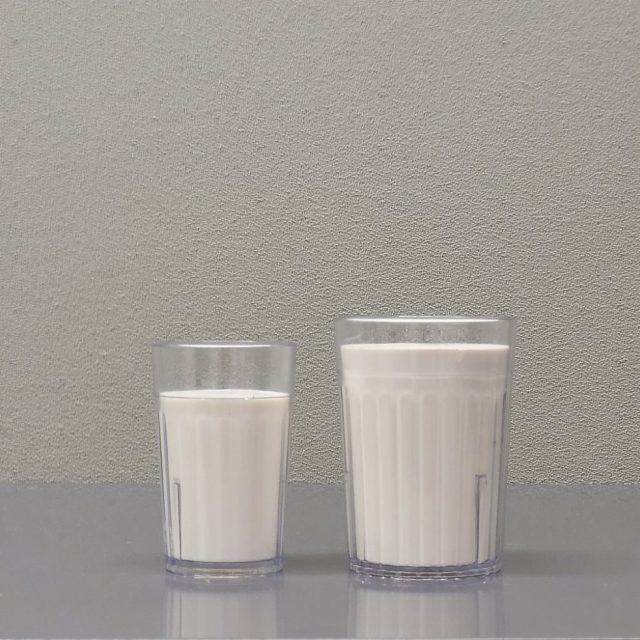
If your cat ate some
- A small amount usually causes nothing worse than a mild stomach upset.
- Offer water, skip the next treat and call your vet if vomiting or diarrhoea lasts more than a day or your pet seems unwell.
Signs to watch for
- Diarrhoea
- Gas
- Vomiting
How much, how often
Lactose-free "cat milk" as an occasional treat.
Treats of any kind should stay under 10% of the day’s calories. Work out your pet’s calories
Serving it safely
- Offer lactose-free pet milk instead
- Never give milk to replace water
Dogs and cats, side by side
Dogs In moderation
Only a little. Many dogs lose the ability to digest lactose after weaning, so milk can cause diarrhoea.
How much: A few laps at most.
Can dogs eat milk?Cats In moderation
Not really. Despite the image, most adult cats are lactose intolerant and milk often gives them diarrhoea. Water is all they need.
How much: Lactose-free "cat milk" as an occasional treat.
Safer treats your cat can have instead
Questions owners ask
Can cats eat milk?
Not really. Despite the image, most adult cats are lactose intolerant and milk often gives them diarrhoea. Water is all they need.
How much milk can a cat have?
Lactose-free "cat milk" as an occasional treat.
What makes milk risky for cats?
Lactose.
What are the signs to watch for in cats?
diarrhoea, gas, vomiting.
What should I do if my cat ate milk?
A small amount usually causes nothing worse than a mild stomach upset. Offer water, skip the next treat and call your vet if vomiting or diarrhoea lasts more than a day or your pet seems unwell.
Is milk safe for dogs too?
Only a little. Many dogs lose the ability to digest lactose after weaning, so milk can cause diarrhoea.
Sources
Tailwise is for general information and is reviewed by veterinary professionals, but it is not a substitute for advice from your own vet, who knows your pet. How we check facts
More foods for cats

Cheese
- Dogs
- In moderation
- Cats
- In moderation
Cottage cheese
- Dogs
- In moderation
- Cats
- In moderation
Butter
- Dogs
- In moderation
- Cats
- In moderation