Meat & fish
Can cats eat shrimp?
A cooked, peeled shrimp is a treat most cats love. Keep it occasional.
Why Shells and tails; bacteria in raw shrimp; garlic butter
 By Maya Hart
If your cat ate some
- A small amount usually causes nothing worse than a mild stomach upset.
- Offer water, skip the next treat and call your vet if vomiting or diarrhoea lasts more than a day or your pet seems unwell.
Signs to watch for
- Vomiting
- Gagging on shells
How much, how often
One small shrimp.
Treats of any kind should stay under 10% of the day’s calories. Work out your pet’s calories
Serving it safely
- Fully cooked
- Peel and remove tail and head
- No butter, garlic or seasoning
Dogs and cats, side by side
Dogs In moderation
Yes, cooked and peeled. Shrimp are low in fat and high in protein, but raw shrimp can carry bacteria and the shells, tails and heads are a choking risk.
How much: One or two shrimp occasionally.
Can dogs eat shrimp?Cats In moderation
A cooked, peeled shrimp is a treat most cats love. Keep it occasional.
How much: One small shrimp.
The details
Shellfish allergies exist in pets as in people, though they are uncommon. The first time you offer shrimp, give a single piece and watch for itching, vomiting or diarrhoea.
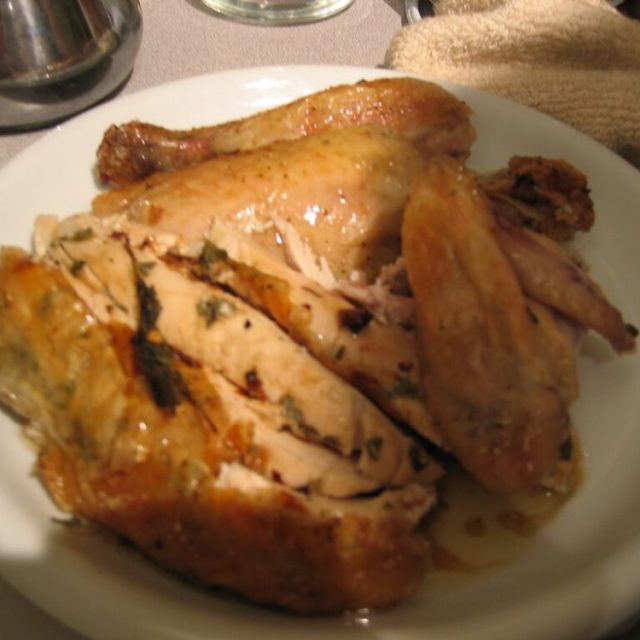
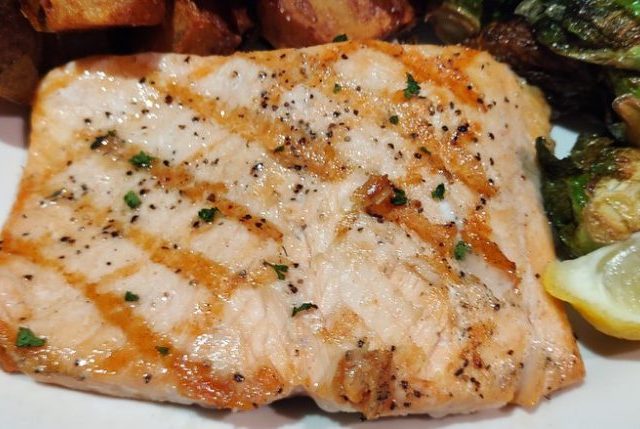
Safer treats your cat can have instead
Questions owners ask
Can cats eat shrimp?
A cooked, peeled shrimp is a treat most cats love. Keep it occasional.
How much shrimp can a cat have?
One small shrimp.
What makes shrimp risky for cats?
Shells and tails; bacteria in raw shrimp; garlic butter.
What are the signs to watch for in cats?
vomiting, gagging on shells.
What should I do if my cat ate shrimp?
A small amount usually causes nothing worse than a mild stomach upset. Offer water, skip the next treat and call your vet if vomiting or diarrhoea lasts more than a day or your pet seems unwell.
Is shrimp safe for dogs too?
Yes, cooked and peeled. Shrimp are low in fat and high in protein, but raw shrimp can carry bacteria and the shells, tails and heads are a choking risk.
Sources
Tailwise is for general information and is reviewed by veterinary professionals, but it is not a substitute for advice from your own vet, who knows your pet. How we check facts