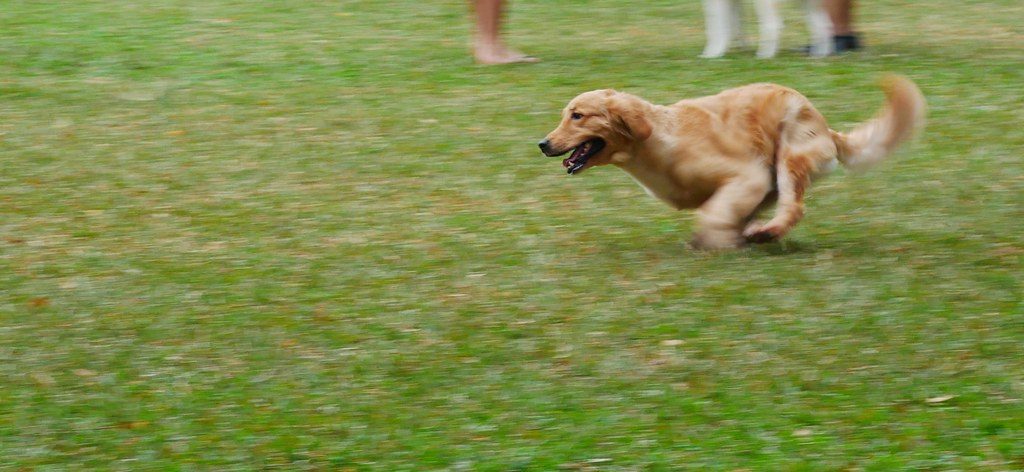
There are few feelings quite like watching your dog disappear over a hill after a rabbit, your voice getting higher and less convincing with each call. A reliable recall is freedom — for your dog to run, and for you to relax. It is also one of the most important safety skills a dog can have.
The most important rule
Coming back must always be worth it. Every time your dog comes to you, something good happens: a brilliant treat, a game, praise, then often being sent off to play again. Never call your dog to tell them off, clip the lead on and leave the park every single time, or do something they dislike. Dogs are excellent at noticing patterns.
Choose a new word
If “come” or your dog’s name has been shouted many times without effect, it has already learned to mean “carry on”. Choose a fresh cue — a whistle, “here”, “close” — and give it meaning from scratch.
Step by step
- Charge the cue. Indoors, say the cue and immediately give a high-value treat — chicken, cheese — even though your dog is right beside you. Repeat many times over several days.
- Short distances at home. Call from across the room, then from another room. Reward generously every time.
- The garden. Call when your dog is only mildly distracted. Run backwards to make coming to you a game.
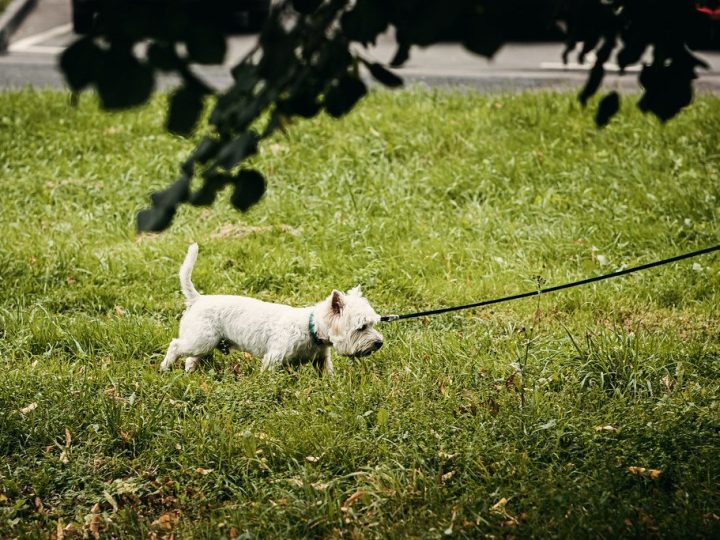
- A long line outside. Use a long training line (5–10 m) attached to a harness in a quiet field, so your dog can explore but you can prevent them practising running off.
- Add distractions slowly. Other dogs at a distance, then closer. Squirrels last.
Don’t let your dog off the lead in unsafe places — near roads, livestock or cliffs — however good their recall seems. Even well-trained dogs can fail when a deer bursts out of the bracken.
Common mistakes
- Calling when you know it won’t work. If your dog is racing towards another dog, go and get them rather than calling and teaching them to ignore it.
- Repeating the cue. “Here, here, HERE!” teaches your dog that the third call is the real one.
- Chasing. Most dogs think it’s a game. Run the other way instead.
- Rewarding too little. Coming away from a fascinating smell deserves a jackpot, not a dry biscuit.
Breed matters
Scent hounds such as Beagles and sighthounds such as Greyhounds were bred to follow their noses or their eyes, independently of people. They can learn a good recall, but they may never be safe off lead in open country. Know your dog, and use a long line where you need to.
Questions owners ask
What age should I start recall training?
From the day your puppy comes home. Young puppies naturally stay close, which makes it the ideal time to build the habit.
Why did my dog’s recall suddenly get worse?
Adolescence — roughly six to eighteen months — often brings a dip in recall as dogs become more independent. Go back to a long line and higher-value rewards for a while.
Are e-collars useful for recall?
Shock and vibration collars work through discomfort and can create fear and stress. Reward-based training with a long line is safer and effective, and some countries have banned electric collars.

Written by
Sam writes our breed and behaviour guides. (Demo profile supplied with the Tailwise theme.)

Reviewed by
Tailwise is for general information and is reviewed by veterinary professionals, but it is not a substitute for advice from your own vet, who knows your pet. How we check facts