We may earn a commission when you buy through links on this page. It never changes what we recommend. Learn more
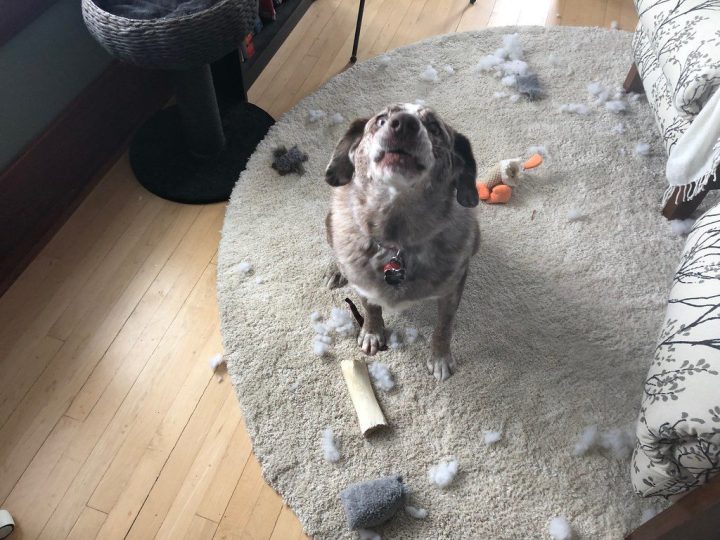
A neighbour mentions the howling. You come home to a chewed door frame and a dog who greets you as if you have been gone a year. When you watch the camera footage, your dog is pacing by the door within a minute of you leaving.
That is not spite, boredom or a lack of discipline. For a dog with separation anxiety, being alone feels like an emergency.
Signs to look for
- Barking, howling or whining that starts soon after you leave.
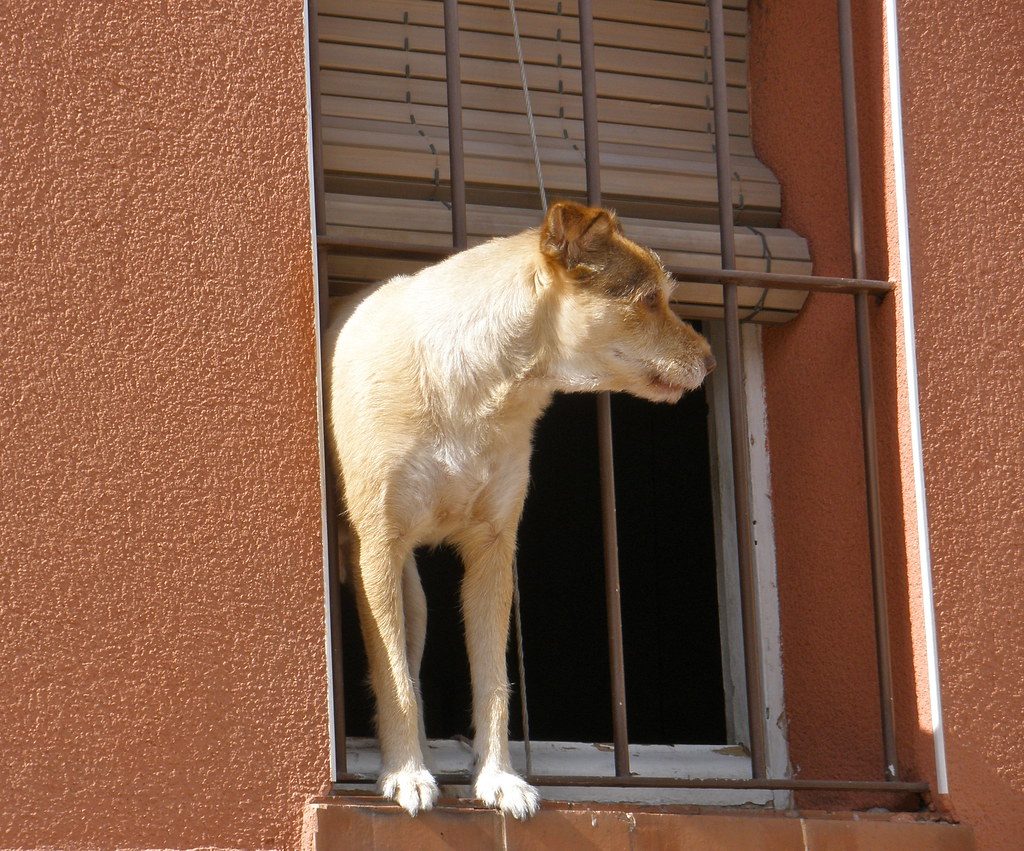
- Destruction focused on doors and windows — the exits.
- Toilet accidents that only happen when alone.
- Drooling, panting and pacing.
- Following you from room to room, and getting distressed as you get ready to leave.
The best way to know is to film your dog. Many owners are surprised in both directions: some dogs they worried about simply sleep, and some that seemed fine are panicking quietly.
Why it happens
There is rarely one cause. Changes in routine — a new job after months at home, a house move, a loss in the family — are common triggers. Dogs that were rarely left as puppies, rescue dogs with uncertain histories, and dogs with other anxieties are more at risk.
The training plan: never go over threshold
Separation anxiety improves with graded absences: short enough that your dog stays calm, then gradually longer. The key is that your dog must not panic during training.
- Find the starting point. Film your dog as you step out. How long until the first sign of worry — lip licking, whining, pacing? Thirty seconds? Five minutes? That is your baseline.
- Practise below it. Leave for shorter than the baseline, come back calmly, and repeat several times a day.
- Build slowly. Increase by small steps, and mix in some very short absences so the pattern doesn’t become predictable.
- Manage real life. During training, avoid leaving your dog longer than they can cope with — use a sitter, day care, a friend or a dog walker. Every panic sets training back.
Something to do while you are gone
We may earn a commission when you buy through links on this page. It never changes what we recommend.
Best for busy minds
Treat-dispensing puzzle toy
4.5Turns part of a meal into a ten-minute job for clever, energetic dogs.
- Adjustable difficulty
- Easy to wash
What doesn’t help
- Punishment after the event. Your dog cannot connect it to the absence, and it adds fear.
- A crate for a panicking dog. Some dogs feel safer in one; many feel trapped and injure themselves.
- Getting a second dog. Many dogs with separation anxiety are attached to a person, not just company.
Your vet can help. Anti-anxiety medication doesn’t replace training, but for many dogs it lowers panic enough for training to work. Rule out pain or medical causes of accidents too.
How long it takes
Weeks to months, and progress is rarely a straight line. Keep a log of absence times — seeing twenty minutes become an hour over a couple of months is encouraging on the days it doesn’t feel like it.
Questions owners ask
Will my dog grow out of separation anxiety?
It rarely resolves on its own and often gets worse if the dog keeps experiencing panic. Gradual training, sometimes with medication from your vet, is the most reliable way to improve it.
Does leaving the radio on help?
For some mildly anxious dogs, familiar background sound helps mask outside noises. It won’t fix true separation anxiety, but it is harmless to try alongside training.
Is it separation anxiety or boredom?
Bored dogs tend to be destructive at random and often later in an absence; anxious dogs show distress soon after you leave and focus on exits. Filming your dog is the best way to tell.

Written by
Sam writes our breed and behaviour guides. (Demo profile supplied with the Tailwise theme.)

Reviewed by
Tailwise is for general information and is reviewed by veterinary professionals, but it is not a substitute for advice from your own vet, who knows your pet. How we check facts