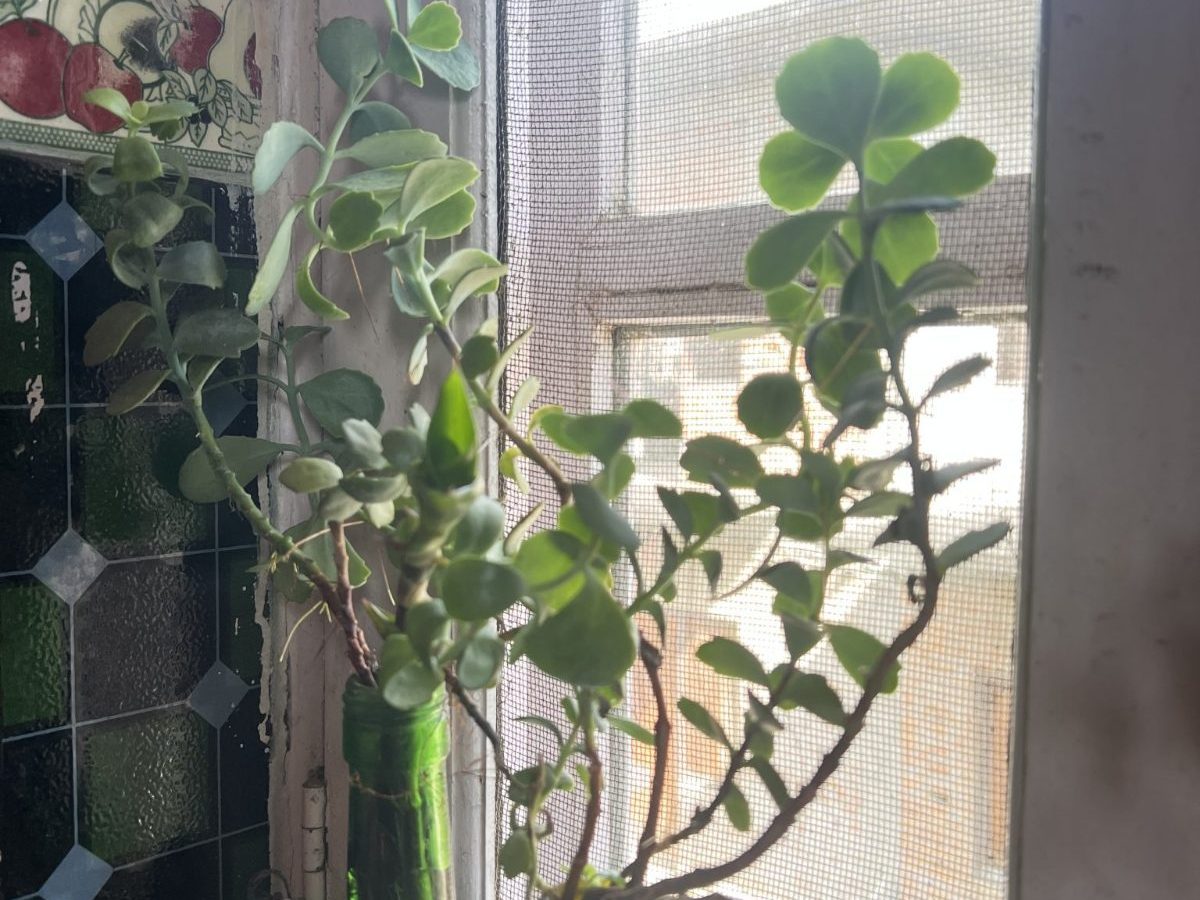
Many of the most fashionable houseplants — monstera, pothos, peace lily — cause painful mouth irritation in cats and dogs. The good news is that there are plenty of beautiful plants that are completely non-toxic. These are our favourites, chosen because they are easy to keep alive as well as safe.
For bright rooms
- Spider plant — practically indestructible and happy hanging out of reach.
- Moth orchid — flowers for months on a bright windowsill.
- African violet — compact and flowers almost all year.
- Ponytail palm — a drought-tolerant succulent with a fun shape.
For medium light
- Calathea — patterned leaves that fold up at night.
- Areca palm — a soft, feathery palm that makes a statement.
- Parlour palm — tolerant of lower light and neglect.
- Peperomia — dozens of varieties, all small and tidy.
For bathrooms and humid spots
- Boston fern — loves humidity and indirect light.
- Bird’s nest fern — glossy, wavy leaves.
- Polka dot plant — pink-speckled leaves; pinch back to keep bushy.
- Haworthia — a small, pet-safe alternative to aloe.
“Non-toxic” does not mean edible. Any plant can cause a mild stomach upset if a pet eats a lot of it, and fertilisers and pesticides can be harmful in their own right.
Plants to keep out of a cat home
True lilies (including Easter, tiger and Asiatic lilies) and daylilies can cause fatal kidney failure in cats. Sago palms are dangerous to all pets. Check our toxic plant index before bringing anything new home.

Written by
Sam writes our breed and behaviour guides. (Demo profile supplied with the Tailwise theme.)

Reviewed by
Elin reviews our food, plant and health pages. (Demo profile supplied with the Tailwise theme. Only publish a reviewer’s name with their permission and real credentials.)
Tailwise is for general information and is reviewed by veterinary professionals, but it is not a substitute for advice from your own vet, who knows your pet. How we check facts