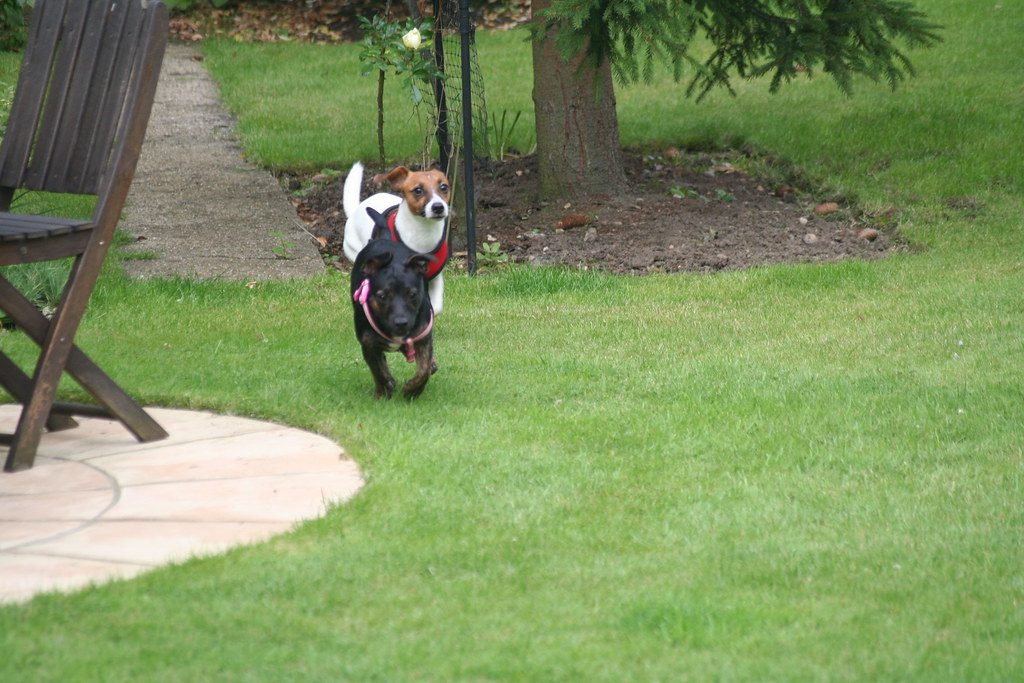
A garden is a dog’s favourite room: sunshine, smells, sticks, the occasional squirrel to report on. It is also where many of the emergencies we see begin — an open gate, a mouthful of slug pellets, a raided compost heap. A single walk round with a dog’s-eye view can fix most of the risks in an afternoon.
Boundaries
- Check fences at dog height for gaps, loose panels and places where digging has started. Small terriers can squeeze through astonishingly small gaps.
- Fences around 1.8 m (6 ft) high suit most medium and large dogs; agile breeds and huskies may need more, or an inward-angled top.
- Fit self-closing springs and latches to gates, and lock gates used by delivery drivers or gardeners.
Plants to check
Many common garden plants are toxic to dogs. The most serious include yew, foxglove, oleander, sago palm, lily of the valley and autumn crocus. Others, like daffodil bulbs, azaleas and wisteria pods, cause problems mainly when dogs dig or chew. You don’t have to strip the garden, but fence off or remove the worst offenders, especially for puppies.
Chemicals and products
- Slug pellets: metaldehyde products are now banned in some countries, but old stock remains in sheds. Choose pet-safer slug control.
- Fertilisers, bone meal and blood meal smell delicious to dogs and can cause vomiting or blockages.
- Cocoa shell mulch contains the same toxins as chocolate.
- Weed killers: keep dogs off until dry.
- Rat poison: never use it where a dog could reach it — or reach a poisoned rodent.
Store all garden chemicals in a locked shed or high cupboard, in their original containers. Many poisonings happen when products are decanted into drinks bottles or left in open bags.
Compost, bins and windfalls
Mouldy food in compost can cause severe tremors — see our page on mouldy food. Use a closed compost bin. Pick up fallen fruit, nuts and acorns, and keep barbecue leftovers, corn cobs and skewers out of reach.
Water
Ponds and pools can be dangerous for puppies, old dogs and breeds that swim poorly, such as Bulldogs. Cover or fence them, or add a ramp so a dog can get out. Empty paddling pools after use, and refresh outdoor water bowls daily.
Shade, shelter and surfaces
Provide shade throughout the day and fresh water. Artificial grass, dark paving and decking can get hot enough to burn paws in summer — test with the back of your hand.
Make it a good place to be
A digging pit with buried toys, a sniffing patch of long grass, and a shady spot to watch the world keep dogs busy and away from the borders. Bored dogs make their own entertainment, usually in the flower beds.
Questions owners ask
How do I stop my dog digging in the garden?
Give your dog a legal digging area, such as a sandpit with hidden toys, and more exercise and play. Supervise, and interrupt and redirect digging elsewhere.
Is it safe to leave my dog in the garden while I am out?
It isn’t recommended for long periods. Dogs left alone outside can bark, escape, overheat, eat something harmful or be stolen.
Is artificial grass safe for dogs?
Generally yes, but it gets hot in the sun and needs regular rinsing and cleaning to prevent smells.

Written by
Maya edits every page before it goes to review and keeps the reference library up to date. (Demo profile supplied with the Tailwise theme — replace it with your own team.)

Reviewed by
Tailwise is for general information and is reviewed by veterinary professionals, but it is not a substitute for advice from your own vet, who knows your pet. How we check facts