Winter brings its own set of pet emergencies. Some are obvious — dogs falling through ice — and some are hidden in the garage or on the pavement. A few simple habits make the cold months safer.
Antifreeze: the biggest winter danger
Antifreeze (ethylene glycol) tastes sweet, and a very small amount can cause fatal kidney failure, especially in cats. Clean up drips straight away, store bottles securely, and consider pet-safer propylene glycol products. If you think your pet has swallowed any, go to a vet immediately — the antidote works only if given early.
Salt and grit on pavements
Rock salt and de-icers can crack and sting paw pads, and dogs and cats lick them off. Wipe paws with a damp cloth after walks. Some dogs benefit from paw balm or boots.
Cold-sensitive pets
Small, thin-coated, young, old and ill pets feel the cold most. Whippets, Greyhounds, Chihuahuas and hairless breeds may need a coat. Signs of being too cold include shivering, slowing down, lifting paws and seeking shelter. Hypothermia and frostbite (pale or grey skin on ears, tail tips and paws) need a vet.
Ice and water
Keep dogs on a lead near frozen ponds, lakes and rivers. If a dog falls through ice, don’t go onto the ice after them — call the emergency services. Many owners have died trying to rescue dogs, who often manage to get out on their own.
Cats and cars
Outdoor cats sometimes sleep in warm car engine compartments or wheel arches. Bang on the bonnet before starting the engine on cold mornings.
Dark evenings
Walks often happen in the dark in winter. A reflective or light-up collar, lead or coat helps drivers see your dog. Keep dogs on lead near roads, and check that microchip details are up to date in case your dog bolts.
Indoor hazards
- Heaters and open fires: use guards, and watch for singed whiskers.
- Hand warmers in coat pockets contain iron.
- Festive foods and plants — see our holiday safety guide.
- Carbon monoxide from faulty boilers affects pets too; fit a detector.
Food and exercise
Most pets need about the same amount of food in winter. Dogs who exercise less can gain weight, so adjust portions and play indoor games. Older dogs with arthritis may stiffen in the cold — a warm, padded bed away from draughts helps, and speak to your vet if your dog seems sore.
Questions owners ask
Does my dog need a coat in winter?
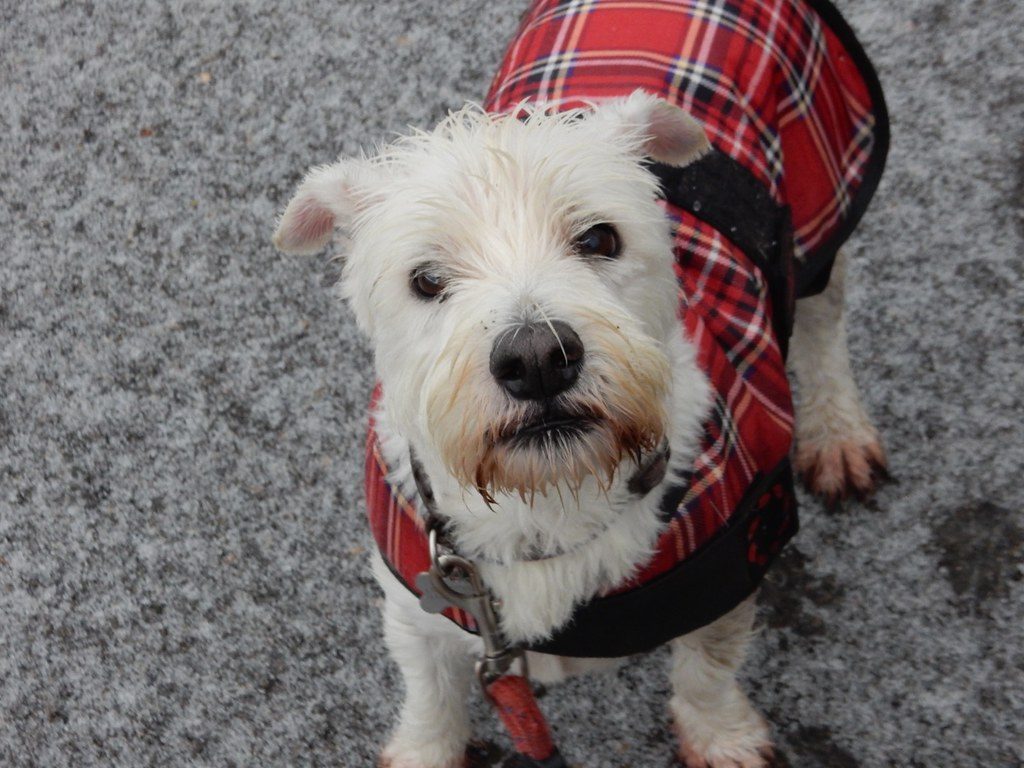
Dogs with thick double coats usually don’t. Small, short-haired, very young, old or thin breeds often benefit from a well-fitting coat in cold, wet weather.
Can I leave my dog in the car in winter?
Cars can get very cold quickly. It’s best not to leave dogs alone in cars in any season.
Is snow safe for dogs to eat?
A little clean snow is fine, but snow near roads can contain salt and antifreeze, and lots of snow can cause stomach upset.

Written by
Maya edits every page before it goes to review and keeps the reference library up to date. (Demo profile supplied with the Tailwise theme — replace it with your own team.)

Reviewed by
Tailwise is for general information and is reviewed by veterinary professionals, but it is not a substitute for advice from your own vet, who knows your pet. How we check facts